Welcome to TRB Lounge!
Today, we are featuring E. T. Gunnarsson, author of Forgive Us, for our Author Interview feature.
About The Author

E. T. Gunnarsson
Mr. Gunnarsson grew up on a horse-rescue ranch in the Rocky Mountains, Colorado. He now resides in Georgetown, TX.
Once in Texas, he wrote his first post-apocalyptic book, “Forgive Us” while attending high school. Outside of writing, Mr. Gunnarsson is a purple belt in BJJ and a brown belt in Judo.
You can connect with the author here:
Facebook | Instagram | Reedsy Discovery | Twitter | Website
The Interview
Welcome to TRB! Please give our readers a brief introduction about yourself before we begin.
To start off, I learned how to read through World of Warcraft. It sounds funny, but it’s true. When I was taken out of school at around seven, I didn’t know how to read, write, or do math. While I was being tutored how to read and write, I played World of Warcraft, and as I slowly gained lingual skills, I applied them to the game which allowed me to go from wandering around all day to doing questions and leveling up my character.
I actually started writing when I was nine, though the literature I produced probably sucked, and never saw the light of day. I also started text roleplaying on platforms such as Discord, which led into my author career and where my writing skills first started.
I am also a Norse pagan, and I’m into woodcarving to create idols for deities and spirits.
Please tell us something about your book other than what we have read in the blurb?
Forgive Us is told as three interleaved stories covering different timelines in the 22nd century.This part is not in Forgive Us but gives more info about the environment the survivors live in: The wasteland began way before the fall of civilization. It started with the widespread use of Ignium in the 2050s, and its continued use through the 2060s and 2070s. Ignium, an energy similar to electricity and plasma, is easy to create and extremely malleable, therefore economically better than electricity. Its downfall was its slight toxicity. With its widespread use by billions of people, Ignium slowly poisoned the soil, air, and worldwide ecosystem, leading to cataclysmic climate change and leading to the sixth mass extinction on earth. Combined with pollution such as trash and other waste, the oceans were killed, the sun was blotted out, and the soil itself became a mix of dirt, Ignium, and plastics.
Ignium’s usage became a dependency, and by the time that it was discovered to be extremely damaging to the planet it was too late. Many major companies depended on it and funded campaigns to cover up the damage it caused.
During the 2070s, the world became destabilized and eventually collapsed. The population soared to roughly 14 billion, countries collapsed from resource, water, and food shortages. Despite the amazing technology of the 2070s, major parts of the population died due to illness and starvation as unemployment (in the US) soared into 60%.
Toward 2078, Europe collapsed into war between its nations while the US fell into a three-way civil war. At the same time as a world-wide pandemic and world-wide economic collapse, this broke the country. The pandemic which started in India, ultimately left India, the Middle East, and Africa in a broken state with most of the population dead or dying.
During 2079, the last powerful countries on Earth (such as the USA, Russia, and China) declared war on each other over the last resources on Earth. After a few nukes, bombs, chemical weapons, mutagenic bombs, and more, civilization finally came to a crumbling halt.
What is that one message that you’re trying to get across to the readers in this book?
If there is a single message that can be derived from Forgive Us and the Odemark series as a whole, it’s to be green. In the series, the sky is blotted out from pollution and trash is everywhere, layering the ocean and earth. It is the idea of not poisoning our world. There are many other messages in Forgive Us, like caring for those you love, that war is hell, and that tyranny never dies but should not be stood for.
Who is your favourite character in this book and why?
I have to say that Oliver is my favorite character because he matches the perfect description of a wasteland survivor. He is the lone wolf that many post-apocalyptic works feature, he is the grizzled, mentally scarred survivor he fights and claws to live. His storyline also represents the wolf of power/greed, which is an evil predator.
What inspired you to write this book? An idea, some anecdote, a dream or something else?
There is no specific inspiration for Forgive Us. Rather, Forgive Us and the Odemark series was born from a love of post-apocalyptic fiction, a gap in the genre, and years of interacting with the genre. For example, there are many influences for many aspects of Forgive Us. The father-daughter relationship between London and Rose is seen in many games (see the Dadification of games), the wasteland is inspired from Mad Max, the Fallout Series, and 9, and the conflicts in the book are inspired from history and the media mentioned before.
How long did it take you to write this particular book?
It took me two years to write Forgive Us, starting when I was sixteen and ending when I was eighteen. The first year consisted of the actual writing as I learned the twists and turns of creating a book, while the second year consisted of editing, which was a long process of more learning.
What are your writing ambitions? Where do you see yourself 5 years from today?
In five years I hope to finish the Odemark series, along with starting a new series in my high-fantasy world which is currently still in the works.
Are you working on any other stories presently?
Currently, I am writing the prequel to Forgive Us, Abandon Us, which will show life in theold world, the downfall of civilization, and show who the Outsiders really were.
Why have you chosen this genre? Or do you write in multiple genres?
I love post-apocalyptic fiction. I think it makes for great movies and great games when done well. Forgive Us came to me one day, so it was really the genre choosing me rather than me choosing the general. I learned to write in high-fantasy settings, so I hope to transition back one day.
When did you decide to become a writer? Was it easy for you to follow your passion or did you have to make some sacrifices along the way?
I decided to become a writer when I started Forgive Us in 2018. Being a writer is not easy in general, but I am lucky to have an extremely flexible schedule that allows me to work a lot without sacrificing anything beyond free time that I’d otherwise waste.
Following the course of being a writer comes with a lot of ups and downs. The ups would be positive feedback on your work or success in writing, and the downs would be writer’s block, negative feedback, and self-doubt. Fortunately, I think the ups make the downs look small because when you’re so high up, falling a little bit does seem so far.
What is your writing ritual? How do you do it?
I’m boring when it comes to writing. I generally sit down, try to play some music that fits the genre I am writing in, and write. I usually have tea while I write, but not always. If I am doing serious writing, I will remove all the distractions around me and just write. No distraction writing is a really easy way to burn out in my opinion, and is really boring, so I usually avoid it.
How do you prefer to write – computer/laptop, typewriter, dictation or longhand with a pen?
I have dysgraphia, so it’s hard to write with a pencil or pen. I prefer the power and utility of a computer or a laptop, since it allows me to edit and create with ease.
What are your 5 favourite books?
The Hobbit by J.R.R. Tolkien is one of my favorite books, simply because it’s the Lord of the Rings with lighter reading, and serves as a wonderful introduction to the series. The Poetic Edda by Snorri Sturluson is my second favorite book, since it serves as a pillar to understanding Norse Mythology, and as an important religion text. I also love Maus (Art Spieglman), 1984 (George Orwell), and Rise of the Lich King (Christie Golden).
When it comes to authors, I absolutely love Stephen King and Tolkien. My father read the Dark Tower series to me when I was little, which I think has a subconscious influence on my writing. Tolkien is the father of all modern fantasy, and without him I would not have my childhood game World of Warcraft, or the inspiration to make a high fantasy world.
How do you deal with Writer’s Block?
When it comes to Writer’s Block, a due date gets me out of it. If I feel pressure to write, I will write, and that’s how real writing works in my opinion. It’s a job, and a job does not wait for you. If you struggle with Writer’s Block, you either have to wait for it to go away or break through it.
What advice would you give to aspiring writers?
If one wants to seriously write, it has to be treated like a job. A job has hours, due dates, and expectations, and writing should be no different. Without it, procrastination and no results rule. For me, I have a daily word count I have to reach, and a chapter/page amount I have to reach per week or month.
Thank you, Mr Gunnarsson, for your interesting answers!
About The Book

Forgive Us
Three timelines. One dark future…
A new form of energy has poisoned the earth, leaving civilization in ruins. As decades go by, the inheritors of this devastation struggle to survive and reconquer a broken planet…
In 2099: Mankind emerges from the darkness. A lone rider named Oliver journeys east, seeking civilization beyond the Rocky Mountains. Braving the toxic earth and poison air, Oliver must battle a horde of deadly mutants as he unites a band of refugees into the first nation of this new world…
In 2153: Fledging nations clash over land and resources. London, a veteran of the wasteland, struggles to protect his adopted daughter Rose as the world decays around them. But little does he know, both he and his adopted daughter will soon find themselves drawn into a coming war…
In 2184: Simon, a descendent of those who fled the earth, lives on the great Arcadis Station. A gifted technician, he works vigilantly against those who rule his society with an iron fist. In the shadows, he will be the difference between enslavement or liberty…
Fans of The Gunslinger and The Stand will love Forgive Us. This epic novel takes readers on a post-apocalyptic thrill ride, spanning three generations of a ravaged earth…
You can find the book here:
Amazon | Barnes & Nobel | BookBub | Goodreads | Lulu | NetGalley
To read more author interviews, click here.
If you are an author and wish to be interviewed or if you are a publicist and want to get your author interviewed on TRB, then please get in touch through direct e-mail: thereadingbud@gmail.com



 , for our Author Interview feature.

 Roland Sato Page
 Eating The Forbidden Fruit
 R.J. Parker
 Requiem, Changing Times
 Rich is the author of four novels, The Color of Home, The Big Wide Calm, and The Beauty of the Fall, The Latecomers, and the poetry collection, The Long Body That Connects Us All. He also teaches creative writing at Seven Bridges’ Writer Collaborative. Previously, he enjoyed a successful career as a technology executive, managing several multi-billion dollar businesses for Fortune 500 companies.
 AN AGING COUPLE AND THEIR CLOSEST FRIENDS PIECE TOGETHER A LIFE-CHANGING PLAN FROM AN OTHERWORLDLY TEXT.
 Melissa Lynn Herold
 Heaven’s Silhouette
 An English-born Australian, Rob Shackleford has lived in New Zealand and Papua New Guinea, with a varied career that has included Customs Officer, Scuba Instructor, College Teacher and management roles in too many places.
 If you were sent a thousand years into the past, would you survive?
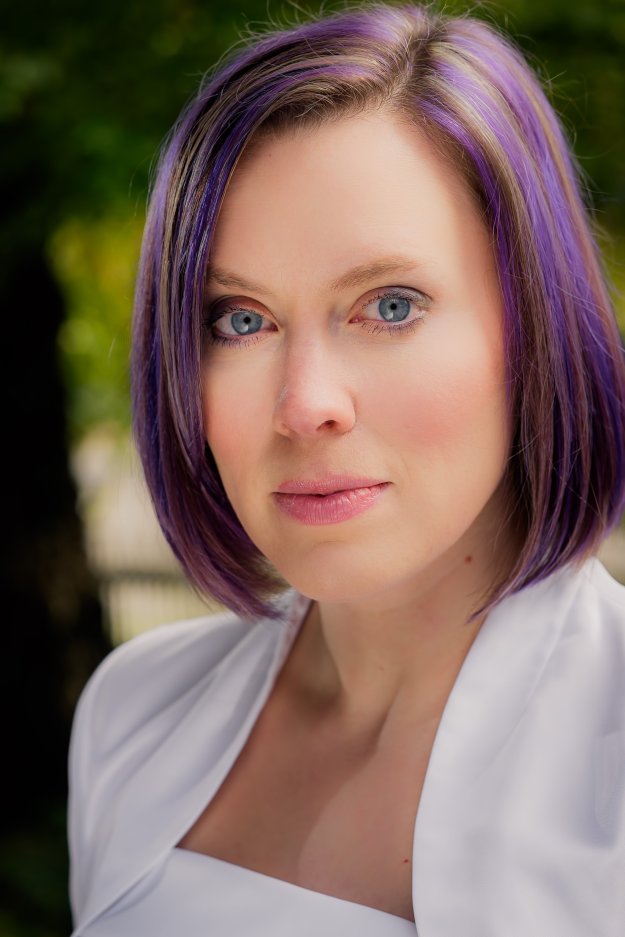 Erin Rhew is an editor, the operations manager for a small press, and a YA fantasy and sci-fi author. Since she picked up Morris the Moose Goes to School at age four, she has been infatuated with the written word. She went on to work as a grammar and writing tutor in college and is still teased by her family and friends for being a member of the “Grammar Police.”
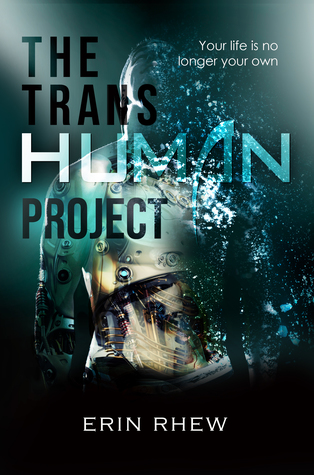 The Transhuman Project
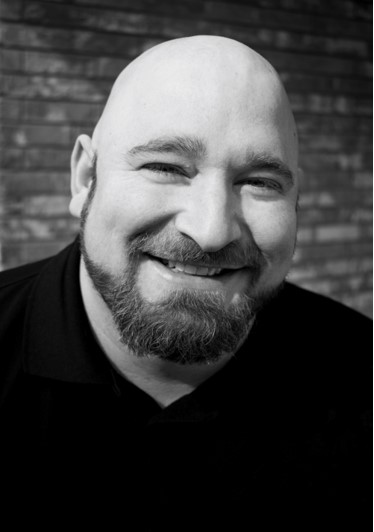 Dwayne Gill
 Written By Blood: Conviction
 Kally-Jay Mkwawa (a pseudonym), is a lady of 30 years living and working in
 Spending the better part of your life being called a good listener, a weirdo, a hermit or a ‘mirror of ugly truths’ and a walking-talking memory machine isn’t at all that it’s cut out to be. To a large extent, it’s a lonely life. You arrive into this life without even meaning to and suddenly it seems that you carry the weight of the whole world on your shoulders. You get sucked into it quite easily and coming up for a breath of fresh air is not easy at all.
 Thomas Josef
 Incoming! Secrets Of A Contract Warrior In Afghanistan
 K.M.Mackmurdie has always preferred fantasy lands to reality – and it only took her twenty five years to bring her daydreams to life.
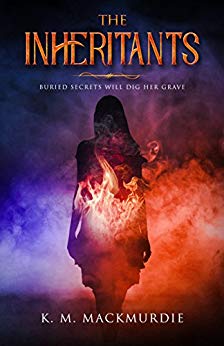 The Inheritants
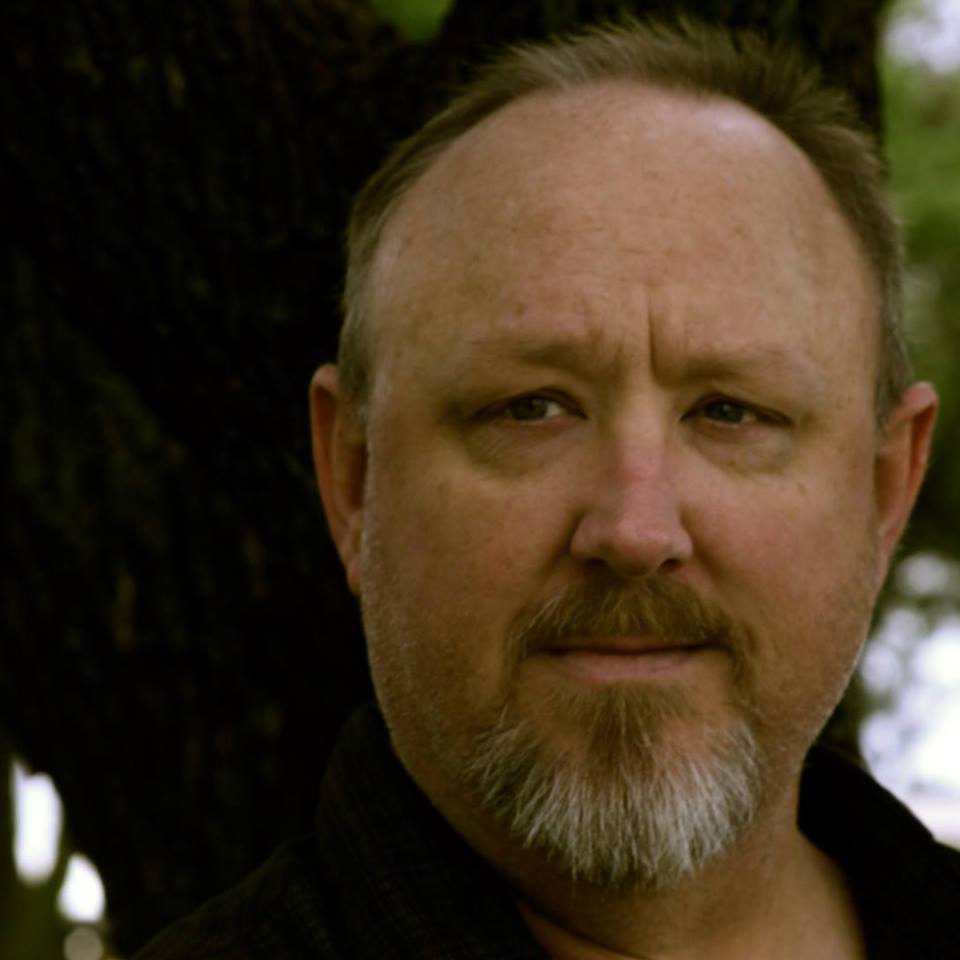 Roger Peppercorn has suffered for the better part of his life from wanderlust and this need to see the other side of the horizon has taken him to all parts of the world. The people and backdrop of his travels have served as the inspiration behind his characters and storytelling. As a child, his mother taught him to read and write. His father’s collection of Louis Lamour novels provoked the fantastical images in his mind and the romance of the written word. In the seventh grade, his history teacher brought the characters of a bygone era alive. From that point on, Roger began to hone his skills in storytelling. After high school, Roger took a course in creative writing that was taught by a long haired hippy in a Hawaiian shirt. Roger’s grandmother used to tell tales of traveling across the plains in a covered wagon, the woes of having a son sent off to war, and the larger-than-life man she met at Pea Green Hall who later became her husband. His first two novels “On The Devils Side of Heaven” and “The Sometimes Long Road Home” take place on the western slopes of Colorado, in the sleepy town of Fruita, where he grew up. They center on the strained relationships and sorted histories of three characters – Walt, Ronald and Jessica, and violence that erupts around them. Roger is married and is a father of four beautiful children. He currently calls South Dakota his home.
 With the drop of a judge’s gavel, Walt Walker has finally lost everything. The badge and gun he used to carry and the moral certainty of right and wrong, good and evil that used to keep him grounded. Now Walt, sans gun, gets his badges from an Army Navy store. He spends his days in South Florida, working for a boutique insurance firm as their investigator. He spends his nights in dive bars, trying to forget the mess he has made of his life. Ronald Jacobs always preferred the title Human Resource Manger to Hitman. But now that he’s retired, he can concentrate on living in the shadows as a respectable gentlemen farmer. Far from the reach and pull of his past life. Their transgressions are behind them but a chance encounter and a failed assassination attempt sets the two of them on a collision course of violence and retribution. Hunted by contract killers, the law, and corporate bag men, they are pursued across the unforgiving adobes and the sweeping vistas of the Mesa Valley in Western Colorado. Survival means putting their past in front of them and their differences aside, because in this world the only thing that matters is to cast not others on the devil’s side of heaven, lest you be cast in with them.

 Since the beginning of human settlement, a lot of people came up with ideas, philosophies, beliefs, experiments, research, redesigning of thoughts, talents, and surveys to bring myths to reality.

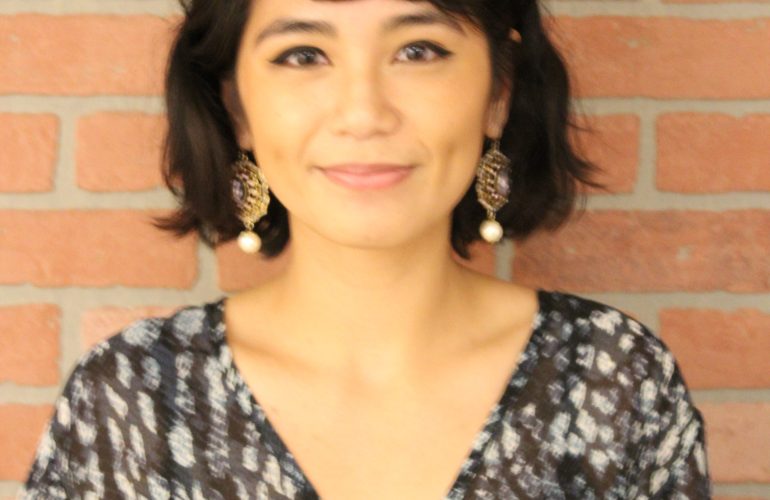
 Stacey Anne Baterina Salinas is an history PhD student currently attending the University of California, Davis. She received her Bachelor’s degree from the University of California, Irvine and received her Master’s degree from California Polytechnic State University, San Luis Obispo, both in American History. Her research focus is on Asian American History centering on the roles of Asian American women and their impact on America’s Civil Rights Movement(s) and contributions to the diversity of the American woman’s experience. She dedicates her late nights of research and writing to the many men and women who fought for her grandparents’ and parents’ native homes in the Philippines. Her maternal grandfather served as a Filipino USAFFE soldier, drafted from Baguio City, who survived the Bataan Death March. Along with her paternal grandmother’s late night tales of her terrifying confrontations with the Japanese as a young girl in the northern provinces of Luzon, their histories of World War II serve as proof of the impacts and legacies of Asian America. Their stories and perseverance helped fuel both her desires and pursuit in writing histories on the humble heroes and innocents unable to voice their struggles and wisdom.
 The people of the Philippine Islands during the early half of the twentieth century experienced various waves of Western Imperialism, two wars of attempted secession from western powers, and two world wars. And yet, the Philippine Islands and its people have received only small subheadings in many American textbooks and histories. The wartime experiences from the perspectives of the Philippine people have gone unnoticed and have become overshadowed by the socio-political dominating legacy of American figures like General MacArthur, leader and historical symbol of the Pacific Theater during World War II. MacArthur’s famous phrase “I came through and shall return” are etched into every facet of World War II historical narratives, textbooks, and monuments that pay tribute to the Allied forces in the retaking of the Pacific from the Japanese. But It is the lesser known people and leaders of the Philippine resistance against the Axis powers whose efforts and contributions allowed for the effective and speedy return of MacArthur’s military forces…
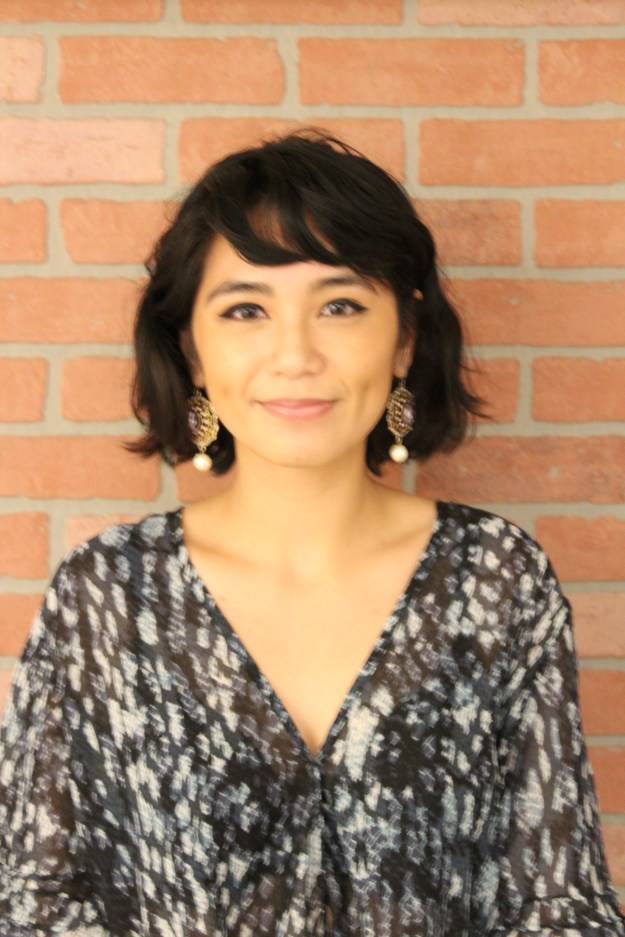 Stacey Anne Baterina Salinas is an history PhD student currently attending the University of California, Davis. She received her Bachelor’s degree from the University of California, Irvine and received her Master’s degree from California Polytechnic State University, San Luis Obispo, both in American History. Her research focus is on Asian American History centering on the roles of Asian American women and their impact on America’s Civil Rights Movement(s) and contributions to the diversity of the American woman’s experience. She dedicates her late nights of research and writing to the many men and women who fought for her grandparents’ and parents’ native homes in the Philippines. Her maternal grandfather served as a Filipino USAFFE soldier, drafted from Baguio City, who survived the Bataan Death March. Along with her paternal grandmother’s late night tales of her terrifying confrontations with the Japanese as a young girl in the northern provinces of Luzon, their histories of World War II serve as proof of the impacts and legacies of Asian America. Their stories and perseverance helped fuel both her desires and pursuit in writing histories on the humble heroes and innocents unable to voice their struggles and wisdom.
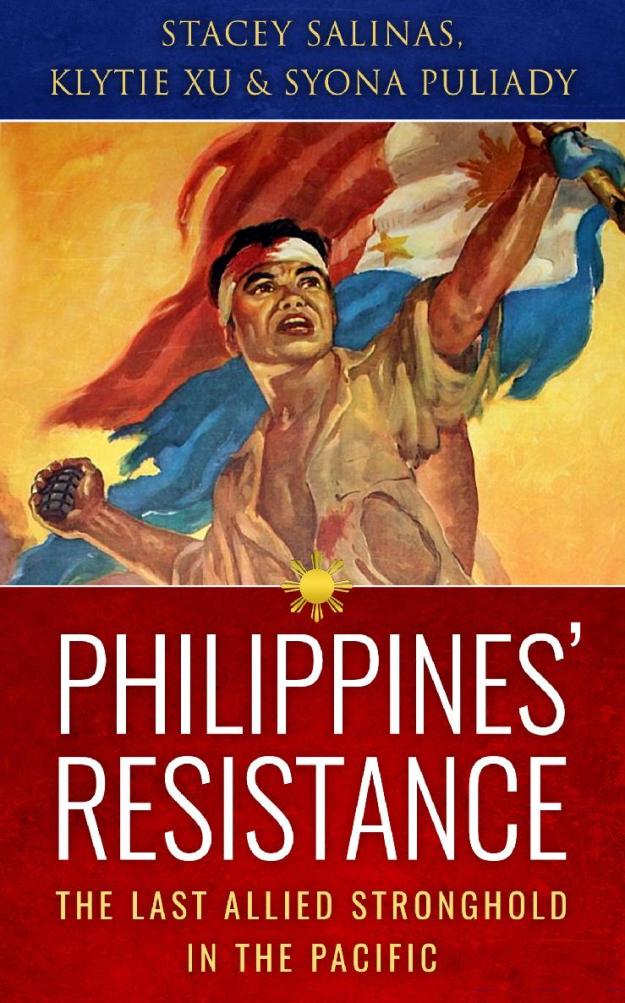 The people of the Philippine Islands during the early half of the twentieth century experienced various waves of Western Imperialism, two wars of attempted secession from western powers, and two world wars. And yet, the Philippine Islands and its people have received only small subheadings in many American textbooks and histories. The wartime experiences from the perspectives of the Philippine people have gone unnoticed and have become overshadowed by the socio-political dominating legacy of American figures like General MacArthur, leader and historical symbol of the Pacific Theater during World War II. MacArthur’s famous phrase “I came through and shall return” are etched into every facet of World War II historical narratives, textbooks, and monuments that pay tribute to the Allied forces in the retaking of the Pacific from the Japanese. But It is the lesser known people and leaders of the Philippine resistance against the Axis powers whose efforts and contributions allowed for the effective and speedy return of MacArthur’s military forces…
 Bridget Nash was a newspaper journalist who received several Associated Press/Oklahoma Press Association awards for both writing and photography, before starting her own small portrait photography business. She now stays home with her daughter, contributing to the news world on a freelance basis.
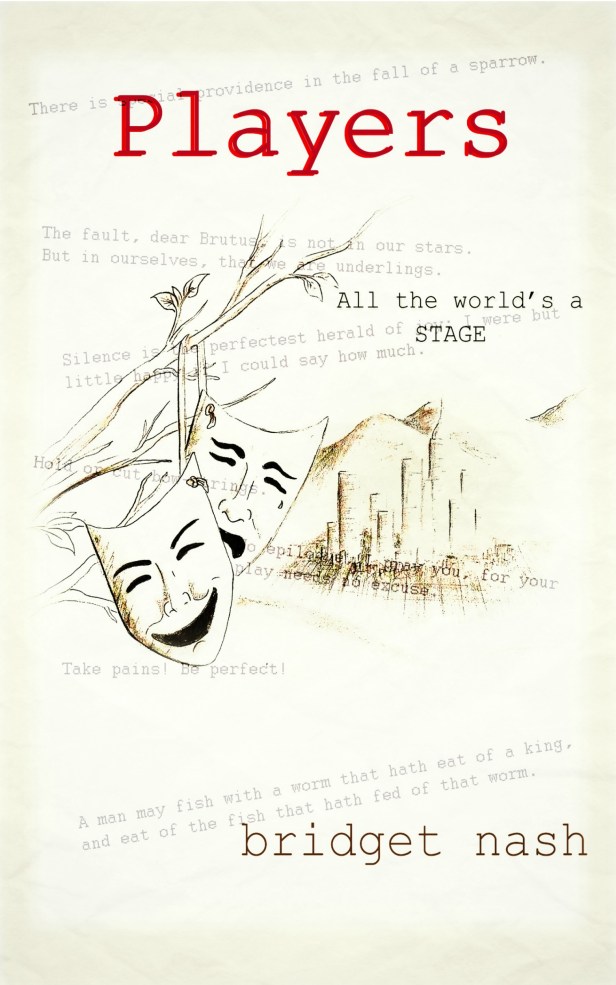 Ryan Scribe is eighteen and has it made.He lacks nothing and doesn’t even know anyone who lacks anything.
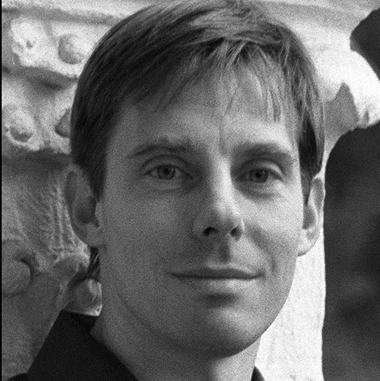 Honored as a ‘Google Author’ in 2007, Michael Lent’s transmedia writing/experience spans films, fiction and nonfiction books, biographies, graphic novels, animation, video games, and reality television. He got his start in On-Air Promotions at MTV. More recently, Lent wrote the graphic novel i, Holmes (Alterna) adapted into a graphic novel E.M. Forster’s “The Machine Stops” (Alterna) and Stephen King’s “The Reaper’s Image” for the Audio Theater for Our Troops radio. His credits include more than a dozen graphic novels and comics including Prey (Marvel), Brimstone (Zenescope), graphic novel bios for Orbit including Keith Richards, Stephen Hawking, Stephen King and JRR Tolkien. He has written eight books including On Thin Ice, published by Disney/Hyperion, based on the top-rated reality television series Ice Road Truckers. Research for this project entailed spending winter in the Arctic.
 About The Book:
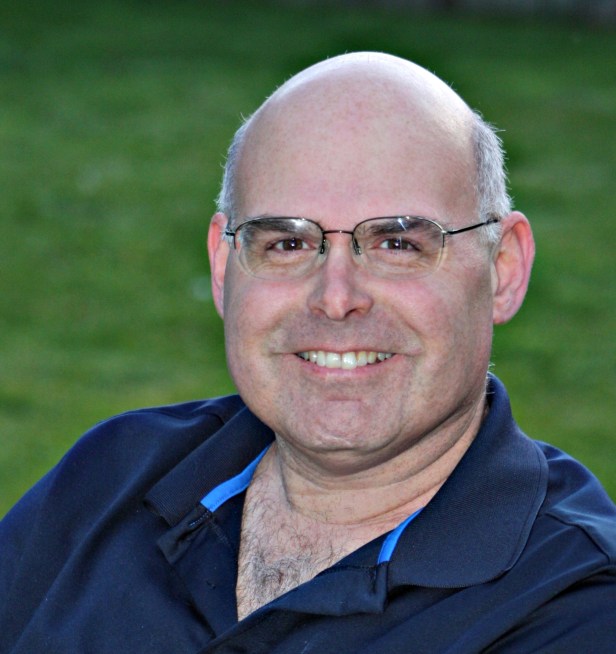 Mark Canniff was born and raised for the first twelve years of his life in Seattle Washington. The next thirteen years were spent in England. (Beginning in London, then moving to Cornwall, finally settling in Somerset.) He arrived there because his mother remarried after being divorced for about ten years. His step-father was English, asking the family “why don’t you come over to my place?”.
 Can there be a mystery that goes back over a hundred years, that only the dead can reveal?
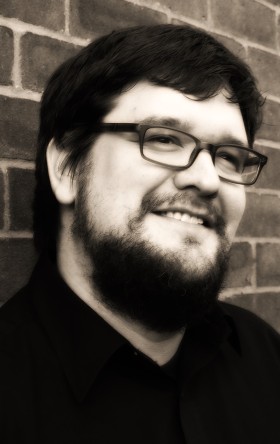 At thirty-six years of age, Christopher Long is a relatively young writer. But when you read his writing, you realise he is older than beyond his years. He has the horror and torment of a million tortured souls in his work.
 Kensington Gore is a man on a mission. He always aims to give his readers something fresh from the world of horror. Only this time he is offering you something a little different. This time he is offering you a piece of horror history to call your very own. Collected in this volume are the final works of one of the great unsung heroes of horror, Thomas Singer. Singer was a man who truly knew how to terrify his readers with his strange, nightmarish tales. Sadly, though, he never received the acclaim in life he so rightly deserved. Following the mysterious death of the reclusive writer earlier this year, Kensington Gore Publishing author Christopher Long was invited to help edit Singer’s final five bone chilling tales and introduce them to the world. There are many rumours and theories about what secrets these stories may hold. Singer himself selected them from his extensive back catalogue and held them back to be released only after his death. So read Something Needs Bleeding, if you dare. See what you can find hidden in the final pages Thomas Singer had to offer the world. Just be careful you don’t come away with blood all over you.
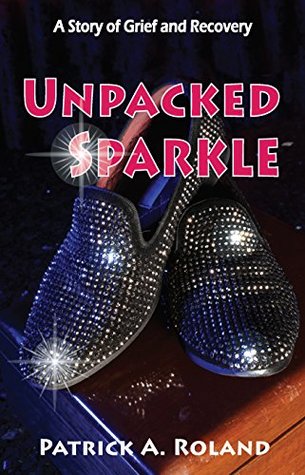 Over a year ago, I left a Mariah Carey concert in Las Vegas after six songs. I had gone on the trip as a present to myself for turning forty. But I couldn’t enjoy it. I was high on multiple drugs, but mostly crystal meth, and extremely drunk. I had been this way the majority of the year and a half since my partner Pack had suddenly passed away.
 The Reading Bud