Welcome to TRB Lounge! We’re thrilled to host author Robert A. Walker today, who will be unveiling an intriguing excerpt from their new fantasy series, The Legend of Baelon, Six Moons, Seven Gods. Dive in and get an exclusive sneak peek into the intriguing world they’ve crafted in their latest work!
About the Book
Six Moons, Seven Gods
“One must be careful practicing deception. The easiest to deceive will always be one’s self.”
The skilled thieves of the Takers Guild plot to overthrow the kingdoms of Baelon, but when their plans are thwarted by a prescient woman and her brooding daughter, they must turn to the League of Assassins for assistance. Meanwhile, retired royal guard Rolft Aerns returns to the palace of King Axil with an old score to settle. When they all cross paths–and swords–in the dark shadows of Fostead’s south end, nothing is as it seems and the murder count rises quickly.
The long fingers of the Guild reach everywhere, and one overly ambitious thief is all it takes to spark a chain of events that will haunt the world of Baelon for many years to come.
Six Moons, Seven Gods is book one in The Legends of Baelon.
Night was falling as Sibil left the cobbler’s shop. She turned to watch its front door close, managing to wave before the cobbler’s wrinkled face and long leather apron disappeared inside. The small shop was, as the abbot had said, but a short walk from The God of Children’s House; she had had no trouble finding it following his directions. The abbot had given her a metal amulet in the shape of a rectangular shield the size of her palm. Its leather thong enabled it to be worn around the neck, but the abbot had told her to present it to the cobbler with one of her mother’s worn shoes upon arrival.
She had done so and, as predicted by the abbot, the cobbler—a kindly old man with a mop of white hair—had simply asked, “How do you come by this, my dear?”
And though it seemed a bit odd to her, she had responded as instructed: “Thank you for asking, Master Nash. Father Syrus prays for me.”
The cobbler had returned the amulet to her hand, folding her fingers around it. “Then I am at your service, madam. What can I do for you?”
When Sibil had explained her predicament, the cobbler had assured her that if she would return on the morrow at sunrise, he would have ready for her mother a pair of new turnshoes made of soft leather goatskin. There would be no charge.
Sibil retraced her steps down a narrow alley as her thoughts returned to her mother’s strange behavior. She had purposely ignored previous impulses to reconstruct the day’s events, telling herself she had more important things to pursue. She had first focused her energies on finding shelter, and then busied herself with the abbot’s offer of new shoes. Those would help her mother’s immediate plight, no doubt, but the woman’s physical ailments were clearly nothing compared to what was plaguing her mind. Things had not been right with her since Sibil’s father died. And they had gotten progressively worse. It was as though she had drifted away from her old self, and from those she had been close to. Sibil had not had a meaningful conversation with her for almons. There were sparks of life here and there, moments when Sibil dared to hope that her mother might be released from whatever enthralled her, but today’s events had seriously dashed any such dream. Aloof and withdrawn was bad enough. Now it seemed her mother was drifting from reality as well. Her irrational rants about the king and Sibil’s own safety were a new—
A violent force slammed into Sibil’s shoulder, knocking her sideways and into the alley wall. She lost her footing, falling to one knee, dazed. There was the sound of gravel grating under foot.
“Well now, lass, jest where might you be goin’?”
Sibil’s heartbeat quickened. She should have known not to take the alley. It was dark, but not so dark that she could not make out the shape of a tall man standing over her. She could smell him as well. Suddenly, he grabbed her by the hair and yanked her head toward his crotch.
Sibil still held the amulet. Instinctively, she drove it as hard as she could up between the man’s legs. He gasped and released her hair.
“Bitch!” The man reached once more for her, but Sibil had already drawn her arm back. She struck him again with the amulet, in the same spot, only this time with more purchase and resolve. “Agh!” Too late, the man struggled to shield his privates.
Sibil stood, dropping the amulet as she reached frantically for the dagger beneath her coat. Her fingers trembled as they curled tightly around its hilt. She brandished the blade menacingly, panting as she sought to ward off her attacker.
“Bitch!” The man drew his own, much larger, knife. He lunged as Sibil turned and ran straight into the arms of an even larger man she had not seen approaching from the other end of the alley. She tried to push away, but already he had wrapped a strong arm around her, pinning both of hers and lifting her off her feet. Still holding her, the big man grabbed her oncoming assailant with his other arm and threw him headfirst against the alley wall.
Sibil squirmed, but the big man held her tightly with one arm. With the other, he pried the dagger from her hand.
“I’m going to let you go now. No further harm will come to you.”
Sibil found herself standing on her own, unsure of what to think. The big man held her dagger by the blade and offered it to her. “Take it and be off.”
What’s happening? Sibil hesitated before instinct overrode all else. With another surge of adrenaline coursing through her veins, she snatched her knife and ran.
About The Author
Robert A. Walker
I grew up in a small Northwestern town in Massachusetts. My father was a professional editor, so I’m sure the itch to play with words is something I inherited from him. I was always writing stories as a youth, and my dad would scribble all over them before handing them back to me. When I graduated college, I packed everything I owned into a small car with a rusted-out floorboard and headed west. I wound up in California where I found not only employment, but a wife, and we have lived here happily with our dogs and a view of the Pacific Ocean ever since. When I’m not fabricating tales, I can be found competing on local tennis courts or working on a never-ending list of DIY house projects.
If you are an author and wish to be featured as our guest or if you are a publicist and want to get your author featured on TRB, then please get in touch directly by e-mail at thereadingbud@gmail.com
Welcome to TRB Lounge! We’re thrilled to host author Andrew Goliszek today, who will be unveiling an intriguing excerpt from their new fantasy series, Like Embers in the Night. Dive in and get an exclusive sneak peek into the intriguing world they’ve crafted in their latest work!
About the Book
Like Embers in the Night
During Stalin’s brutal reign of terror, Janek, a Polish soldier, and his wife, Wanda, endure the horrors of Soviet labor camps and Siberian gulags as World War II rages across Europe. While millions perish, they endure the invasion of Poland by Germany and Russia and then miraculously survive mass deportations, imprisonment, torture, and starvation. Broken both physically and emotionally by their near-death experiences and the unspeakable atrocities of dictatorships and of war, Janek and Wanda are reunited seven years after he marched off to defend his country. They must begin a new life and try to forget the many scars of their past, but where? And can they ever truly forget all that happened to them while they were apart…
You can find Like Embers in the Night here: Amazon
Excerpt
Slumped almost lifelessly against the tufts of her chair, Wanda stared out an open window overlooking a lovely garden. Warm August rains had colored the grounds with a sea of vibrant flowers, their scent filling her room like a bouquet, though she barely noticed. Occasionally, even the most insignificant events would trigger memories from a time long gone: a soft whisper, a faint smell, the delicate warmth of a child’s breath against her face, the soothing melody of a Mozart sonata. It was at those moments that Wanda would waken from her darkness and, with a look of fear spreading across her face, remember her family in Radom, who had no idea that a hundred miles south, the skies rained gray with the ashes of a thousand souls. On most days, they hardly detected the grainy soot around them, or even witnessed an evening sunset because the five incinerators in Auschwitz burned bodies day and night. Before long, everyone in Radom simply got used to it—a lingering grit that filled the air and settled upon the smallest things: a blade of grass, a delicate flower, a pat of butter spread on toast, a tongue that flicked unconsciously to rid itself of a strange and fleshy taste that hours earlier had been someone’s husband or wife.
Wanda’s memories these days came in and out, bubbling to the surface, then vanishing as if someone had reached in and wiped them away. On especially bad days, her world was a blank slate. No parents or grandparents to remember. No children or grandchildren to bring joy into her life. Not even a husband to keep her warm at night as she slept. The good sisters of Saint Francis who ran the Catholic nursing home tried as best they could to ease the bouts of anger and depression that overcame her. It didn’t help that Wanda, afflicted with worsening dementia, had, on some days, reverted to speaking Polish to everyone around her.
That particular day in early August started out as a good one. Perked up and searching the room for anything familiar, her eyes sparkled as she caught glimpses of happier days, but suddenly turned despondent when she remembered the day she’d seen her beloved Janek for the last time. He was eighty-six years old when she walked into his hospital room in Pensacola, Florida—a gentle shadow of a man with a Polish accent, a kind but stoic face, and such remarkable stories of love and suffering and war that they’d forever changed the way his children and grandchildren looked at life. The few friends he had knew him as John, but he preferred Janek, one of the few reminders he had of his beloved Poland. His hazel eyes, so animated they seemed to dance, would glisten with tears whenever he spoke of what his wife and daughter had endured in the brutal labor camps of Siberia; and it was at those moments when Janek’s eyes would harden and expose the very depths of his soul.
Wanda remembered that morning like it was yesterday, picturing the ventilator tube snaked down his throat, his frail chest rising and falling to the rhythm of oxygen that kept his heart from stopping until his family could all gather and say goodbye for the last time, staring at his ashen face as she thought back to a life that most people would find unimaginable. Her bony fingers clenched as if holding onto something precious, she looked at a small painting of the Virgin Mary, then glanced around the stark room. Something familiar pervaded the silence. She felt alone, as she did on most days, though she rarely knew it or even cared, until her memory suddenly returned and she would whisper, “Janek. Where are you, my love?”
For the entire minute she was lucid, Wanda remembered pressing Janek’s cold hand into hers, thinking that he had no business being alive; that his children and grandchildren should not have been born; that whosever’s life he’d ever touched or changed, made better or worse because of his existence on earth, would be as different as night and day. And that whatever he’d done in his next forty-six years, whatever contributions he’d made, significant or not, would have vanished like dust in the wind were it not for the fateful day he’d risked his life and walked to freedom while twenty-five thousand other Polish soldiers marched in lockstep to Stalin’s execution order and on to their graves in the Katyn Forest.
Over the years, Wanda had heard the tragic story of Stalin’s Katyn Massacre and the Polish soldiers executed and thrown into mass graves where they lay buried and forgotten for decades. Though she’d never spoken of it herself, and it pained her to listen to Janek’s heart wrenching tales of war, she’d accepted that, for him, it was cathartic. But as she grew older, and because she’d experienced more pain in seven years than most women would suffer in a lifetime, she prohibited even a mention of anything Russian, especially when Janek would describe a time in history when hell, in all its fury, had made its home on earth.
Wanda’s Poland, with a population of only thirty-five million, was the only Allied nation that fought in World War II from the opening salvos of Nazi occupation and Russia’s invasion in 1939 until Germany’s surrender a week after Adolf Hitler had committed suicide in 1945. For its size, no other nation on earth had given as much or had suffered more than Poland: millions sent to gulags or deported to labor camps in Kazakhstan and the frigid regions of Siberia; millions more exterminated in concentration camps dotted across the Polish landscape; countless men, women, and children starved, tortured, murdered, and worked to death simply because they were Poles. By the time the war ended, its population had been reduced by at least ten million. To survive six years of the two most brutal regimes in modern history was not only unlikely, it was truly a miracle. But amongst the ashes and smoldering ruins, broken lives and unspeakable horrors of war, miracles did happen; survivors who’d lived to tell their children of war and gulags, of victors and unlikely heroes, trying in vain to forget the shocking cruelty of a world that had taken everything they had from them, living their lives in the shadows as if no one else in the world cared. It’s said that these heroes are like embers in the night, glowing brilliantly in the darkest moments of history, forever changing the course of humanity, and then, just as suddenly, vanishing as distant memories fade and the world forgets what ordinary men and women did when hope was gone and all seemed lost. Wanda and Janek were two of those seemingly ordinary people, and on that day and at that moment in Sandusky, Ohio, Wanda remembered.
About The Author
Andrew Goliszek
After receiving a Ph.D. in Physiology from Utah State University, Dr. Andrew Goliszek was a research associate at Wake Forest University School of Medicine in both the department of Physiology and the department of Medicine. Following that, he was Associate Professor of Biology and Human Anatomy & Physiology at North Carolina A&T State University where he developed and taught 6 undergraduate and graduate course. He has written numerous books and articles, was principal investigator on several NIH biomedical research grants, and was recipient of the prestigious College of Arts & Sciences Faculty of the Year Award for excellence in teaching, research, and student advising.
If you are an author and wish to be featured as our guest or if you are a publicist and want to get your author featured on TRB, then please get in touch directly by e-mail at thereadingbud@gmail.com
Welcome to the TRB Lounge. Today, we are featuring author Robert A. Walker for his book, Six Moons, Seven Gods.
Book: Six Moons, Seven Gods Author: Robert A. Walker Publication Date: November 1, 2023 Genres: Fantasy, Adventure Page Count: 305 pages Publisher: –
About the Book
“One must be careful practicing deception. The easiest to deceive will always be one’s self.”
The skilled thieves of the Takers Guild plot to overthrow the kingdoms of Baelon, but when their plans are thwarted by a prescient woman and her brooding daughter, they must turn to the League of Assassins for assistance. Meanwhile, retired royal guard Rolft Aerns returns to the palace of King Axil with an old score to settle. When they all cross paths–and swords–in the dark shadows of Fostead’s south end, nothing is as it seems and the murder count rises quickly.
The long fingers of the Guild reach everywhere, and one overly ambitious thief is all it takes to spark a chain of events that will haunt the world of Baelon for many years to come.
Six Moons, Seven Gods is book one in The Legends of Baelon.
Winner of Book Excellence Award for Best Medieval Fantasy, Chick Lit Cafe, November, 2023
Winner of Literary Titan Book Award, December, 2023
I grew up in a small Northwestern town in Massachusetts. My father was a professional editor, so I’m sure the itch to play with words is something I inherited from him. I was always writing stories as a youth, and my dad would scribble all over them before handing them back to me. When I graduated college, I packed everything I owned into a small car with a rusted-out floorboard and headed west. I wound up in California where I found not only employment, but a wife, and we have lived here happily with our dogs and a view of the Pacific Ocean ever since. When I’m not fabricating tales, I can be found competing on local tennis courts or working on a never-ending list of DIY house projects.
If you are an author and wish to be featured as our guest or if you are a publicist and want to get your author featured on TRB, then please get in touch directly by e-mail at thereadingbud@gmail.com
Welcome to the TRB Lounge. Today, we are featuring author Andrew Goliszek for his latest release, Like Embers in the Night.
Book: Like Embers in the Night Author: Andrew Goliszek Publication date: December 16, 2024 Genres: Historical Fiction, General Fiction, Women’s Fiction Page Count: 333 pages Publisher: Wild Rose Press, NY
About the Book
During Stalin’s brutal reign of terror, Janek, a Polish soldier, and his wife, Wanda, endure the horrors of Soviet labor camps and Siberian gulags as World War II rages across Europe. While millions perish, they endure the invasion of Poland by Germany and Russia and then miraculously survive mass deportations, imprisonment, torture, and starvation. Broken both physically and emotionally by their near-death experiences and the unspeakable atrocities of dictatorships and of war, Janek and Wanda are reunited seven years after he marched off to defend his country. They must begin a new life and try to forget the many scars of their past, but where? And can they ever truly forget all that happened to them while they were apart…
You can find Like Embers in the Night here: Amazon
About The Author
Andrew Goliszek
After receiving a Ph.D. in Physiology from Utah State University, Dr. Andrew Goliszek was a research associate at Wake Forest University School of Medicine in both the department of Physiology and the department of Medicine. Following that, he was Associate Professor of Biology and Human Anatomy & Physiology at North Carolina A&T State University where he developed and taught 6 undergraduate and graduate course. He has written numerous books and articles, was principal investigator on several NIH biomedical research grants, and was recipient of the prestigious College of Arts & Sciences Faculty of the Year Award for excellence in teaching, research, and student advising.
If you are an author and wish to be featured as our guest or if you are a publicist and want to get your author featured on TRB, then please get in touch directly by e-mail at thereadingbud@gmail.com
Today, we roll out the red carpet for the amazing Andrew Goliszek, who is about to unveil the beautiful cover of his historical fiction novel, Like Embers in the Night.
Presenting…
About the Book
During Stalin’s brutal reign of terror, Janek, a Polish soldier, and his wife, Wanda, endure the horrors of Soviet labor camps and Siberian gulags as World War II rages across Europe. While millions perish, they endure the invasion of Poland by Germany and Russia and then miraculously survive mass deportations, imprisonment, torture, and starvation. Broken both physically and emotionally by their near-death experiences and the unspeakable atrocities of dictatorships and of war, Janek and Wanda are reunited seven years after he marched off to defend his country. They must begin a new life and try to forget the many scars of their past, but where? And can they ever truly forget all that happened to them while they were apart…
You can find Like Embers in the Night here: Amazon
About The Author
Andrew Goliszek
After receiving a Ph.D. in Physiology from Utah State University, Dr. Andrew Goliszek was a research associate at Wake Forest University School of Medicine in both the department of Physiology and the department of Medicine. Following that, he was Associate Professor of Biology and Human Anatomy & Physiology at North Carolina A&T State University where he developed and taught 6 undergraduate and graduate course. He has written numerous books and articles, was principal investigator on several NIH biomedical research grants, and was recipient of the prestigious College of Arts & Sciences Faculty of the Year Award for excellence in teaching, research, and student advising.
If you are an author and wish to be featured as our guest or if you are a publicist and want to get your author featured on TRB, then please get in touch directly by e-mail at thereadingbud@gmail.com
Welcome to the TRB Lounge. Today, we are featuring author Lisa A. Moore for her latest release, Whispers of the Selkie.
Book: Whispers of the Selkie Author: Lisa A. Moore Publication date: January 21, 2025 Genres: Urban Fantasy, Mystical Realism, Contemporary Fantasy Page Count: 306 pages Publisher: –
About the Book
Some secrets refuse to stay buried-especially when the ocean itself seems to be keeping them.
When Morwenna Willowheart Brightwood receives a mysterious letter shimmering with an otherworldly pull, her carefully controlled life begins to unravel. She’s content in her weathered lighthouse home on the Maine coast, weaving stories for others and tending her wind-battered garden. But this letter isn’t just a piece of paper-it’s a summons. One that carries her across the sea to the mist-shrouded Scottish Highlands, where ancient legends breathe, magic hums just beneath the surface, and family secrets refuse to stay silent.
Thrown into a world she barely understands, Morwenna is forced to confront the legacy she’s unknowingly inherited-a tangled web of selkie folklore, forgotten power, and a curse that stretches back generations. With her fiercely protective sister Ava by her side and the guidance of mysterious allies with motives as murky as the sea itself, Morwenna must navigate a path filled with danger, deception, and choices she’s not ready to make.
But legends don’t care about readiness. They don’t care about fear. And the tide waits for no one.
Whispers of the Selkie is a story where urban fantasy collides with mystical realism, set against the haunting beauty of the Scottish coastline. Rich with contemporary fantasy flair, it’s a tale of family loyalty, reluctant destiny, and the pull of magic that refuses to let go.
Perfect for fans of Karen Moning, Deborah Harkness, and readers who crave sharp-witted heroines, atmospheric worlds, and secrets wrapped in salt and shadow.
Lisa Moore juggles more storylines than her pilot husband does flight schedules. Specializing in urban fantasy and psychological thrillers, she occasionally dabbles in gothic and paranormal for a fun plot twist. A master of multitasking, she keeps several stories brewing at once—one as her main obsession and the others as creative pit stops when her imagination needs a stretch. When she’s not writing, you’ll find her chasing after her energetic dog, Violette, or splashing vibrant watercolors, adding a little color to the chaos.
If you are an author and wish to be featured as our guest or if you are a publicist and want to get your author featured on TRB, then please get in touch directly by e-mail at thereadingbud@gmail.com
Andrew Masseurs is a creatively restless spirit. While spending over twenty years creating music, four albums and an ep, he found himself inexplicably focused on writing one day on holiday. The result, his first exciting novella, A Day in the Life Novella (A Day in the Life Series, Book One) Relishing the experience Andrew has now released book two, three and four of the A Day in the Life series, The Day After Book Two, Days Of Fury Book Three and The Uncles of the Apocalypse Book Four. Andrew is currently writing Book Five.
Andrew is a loving husband and father to four kids living in the beautiful country that is New Zealand.
Welcome to TRB! In addition to your formal bio, could you share a deeper, more personal insight into your life that influences your poetry?
My name is Andrew Masseurs. I’m a novelist, past songwriter, father and husband. I love creating. It keeps me busy. I love learning new things. I’ve got four kids who keep me super busy. I have two cats and two dogs. I also have a business that I run. My life is crazy and busy. Just the way I like it.
Beyond the official blurb, could you offer us a unique insight or a behind-the-scenesglimpse into your book?
Days of Fury Book Three of the A Day in the Life series was one of the hardest books I’ve had to write. In the past two books of the series, it was always the world that was the antagonist. In this book we meet Tony. A person that is out for himself. I wanted him to be the ultimate baddie. He is the opposite of Michael Stevenson, our hero. I was uncomfortable writing a lot of what he was getting up to. It really was unsettling. If I was ever stuck, I’d just ask myself what is something Michael would never do and then I’d make Tony do it. Some of the things he says and the actions he comes up with I was always questioning if I’d pushed the boat too far and then I’d push it even further. I wanted to be uncomfortable. I’m sure certain moments in this book will shock people. I knew it would make the reader feel something. It would also lead to further consequences later in the series and keep the reader guessing as to what might happen next. I want the reader to never feel safe while reading. Just like being in the world where no law exists. This book also explores a family breaking down under immense pressure.
The Uncles of the Apocalypse Book Four of the A Day in the Life series was a joy to write. From start to finish everything was smooth and just fell into place. I’ve always wanted to write something where the heroes are threatened by an ominous entity. Creating paranoia and suspense in a controlled space. It’s probably my favourite book in the series as my favourite characters are all under threat. I hated the idea but also loved it. I didn’t want anyone to go. If I pick up the book and start reading a chapter, I find myself getting lost in the book yet again. This book also introduces Gavin and Morgan. Two characters that were extremely fun to write. It carries on the story of Oscar, Margery and Terrance. Let’s just say, I hope the readers get lost in the suspense and twists and a totally left unsuspecting of how it all concludes. I didn’t want any of the uncles to leave this world. But at the end of the day this world takes no prisoners and the threat of dying at any stage is very real. As my editor said, “this book was such a wild ride, I was entertained the entire way through.”
Every book has a starting point. What was the spark or pivotal moment that inspired you to write this one?
Days of Fury Book Three runs in tandem with The Day After Book Two. The timelines are the same. It explains what happened to Teresa Stevenson who disappeared at the very beginning of The Day After only to appear near the very end as something very different. The questions from The Day After needed to be answered. How does a person change so much in an apocalyptic world?
The spark for The Uncles of the Apocalypse was exploring the very simple idea of having the uncles trapped in a house for one night with a prophecy of one will die and one will be chosen to be a minion of The Hunter. I wanted to try and write something that was suspenseful and thrilling with a known threat and countdown. Each time I write a book in the series I want it to be a little different from the last. This I hope keeps the reader on edge as well as eager for the next novel. Keeping the unexpected, expected.
Is there a core message or theme in your book that you wish readers to discover?
Family. Love. The themes are of family and how groups of people grow together under pressure. How they must trust each other to survive and in doing so become so much closer to one another. How also under pressure families and friends can fall apart when death is around every corner.
Of all the characters in your book, do you have a personal favourite? What makes them
special to you? They are all favourites in certain ways. I try to create characters that I would want to be around. Even the bad ones are interesting. Its funny as I write the book, I am always thinking someone should die at some point but I love them all so much I can’t do it. If you ever listen to an audiobook, I’ve narrated you will hear the pain as something happens to one of my characters. Its very real for me. Can’t we all just live and be happy? Not in this world.
How do you approach character development, ensuring they resonate with readers and feel authentic?
As I said previously, I try to create characters that are relatable to me. It makes it so much easier. I also have fallen into writing a chapter for a character that will explain what makes that character tick. I don’t mean it to but usually it will have an emotional pull that will come out later in the story. A lot of it is instinctive. Each character will have a trait that can be explored and as a result will give the reader and me as a writer a better understanding for why they do what they do. Whether it be a reason for making horrible choices or correct ones. The themes are normally related to family as we all have been moulded and created by our loved ones.
Thank you, author Masseurs, for taking the time to answer our questions and for all your insightful and interesting answers!
About the Book
Days of Fury
Who can you trust? They called it, The Vanishing. When the world’s population mysteriously disappeared. Where new predatory species stalk the earth. Where every turn could lead to certain death. In book three of the A Day in the Life award winning series we will find out what happened to Teresa, Michael and Pup on that fateful night of terrors. When Shelby and Lucy found themselves separated from their family. In a world that sees humanity as a virus that must be eradicated. The worst enemy could be yourself or the person standing next to you. How did Teresa come to hold the fatal dagger’s handle? Who is the villainous Tony? How did Steven become a prisoner? What new secrets is the Earth unveiling? All will be revealed and more, in this must-read thrilling sequel, Days of Fury.
You can find Days of Furyhere: Books2Read (all platforms)
The Uncles of the Alocalypse
Who will survive? They called it, The Vanishing. When the world’s population mysteriously disappeared and predatory species walked the earth. Horror! The Uncles of the Apocalypse have found themselves prisoners in a house stalked by The Hunter and his chained minions. The owner of the house, Tiberius, a soothsayer and dreamer, has prophesied one of the uncles will die and one will be chosen to be a minion of the hunter. Join author Andrew Masseurs on an action packed, heart stopping, thrilling adventure to find out who will survive and who will be chosen in Book Four of the A Day in the Life award winning series, The Uncles of the Apocalypse.
You can find The Uncles of the Alocalypsehere: Books2Read (all platforms)
If you are an author and wish to be featured as our guest or if you are a publicist and want to get your author featured on TRB, then please get in touch directly by e-mail at thereadingbud@gmail.com
Welcome to TRB! We are really excited to have you over. Please give our readers a brief introduction about yourself before we begin.
*stares at you for a moment as if she is trying to see the bottom of your soul* Siff Braghor, Commander, first officer on the Herald Petrel, ship number 3342 of the Company Cargo Fleet (CCF). The type is a Stargazer Mark V.
What is your age and what do you do for a living?
35. As I just said, I am the first officer on the Herald Petrel.
How you like to spend your free time?
Exercising. I do a lot of sports. Won some competitions. I also hold the current title in Pokaran Procat Pull.
What’s that?
*rolls eyes* The most important skill competition for heavy equipment drivers. Are you Earthlings never educating yourself about what goes on in the universe outside of that ridiculous small blue planet? You are so pathetic!
I also heard rumors that you read books?
Who said that? *raises suspicious eyebrow* Are you trying to lure me into a trap? *cracks knuckles*
Let’s skip that. Please share some of your beliefs, principles, motivations and morals (can be social, religious or political or, etc. Anything that will help us get to know you better.)
I believe I shouldn’t trust strangers asking too many questions.
We already had Captain Galahad and Raffi answering the same question.
Did they, now? And when two of your crew mates are eating toxic trappel berry jam with pietec feet you do the same just because they did?
Let’s skip that as well, then. Tell us something about your family and childhood.
The crew is my family, now. They are all that matter. Everything else is in the past and doesn’t mean anything.
Tell us something about your dreams and aspirations? Were you able to achieve them or are you planning to?
I am very happy to be the Commander of the Herald Petrel. I don’t need anything else.
What is your biggest fear in life?
I don’t fear anything in this universe.
How would you describe your life in one sentence?
Good, considering the circumstances.
What is the worst thing that has ever happened to you?
You have no idea. Be glad you have no idea. *stares at you as if she sees all the bad things that ever happened to you and all the terrible things you ever did in your life and judges you for them*
Did it change you for the better or the worse?
People constantly change. Better or worse are dubious concepts that depend hugely on viewpoint.
What are your plans for the future?
Fly to Providence 5. Then see who the new captain is going to be. Because they can’t seriously keep that lame excuse for a captain around for much longer. I have no idea what they thought when they made Galahad captain, but he is not able to run a ship. He says he was a captain before, even claiming that he led missions in dangerous territory, but I don’t believe one bit of it. He just doesn’t have it. Being a captain needs grit, confidence, quick thinking and most of all passion. I sense nothing of that in Galahad.
So, you want to be a captain?
*spits out* Mother Goddess, no! I am not that stupid. I want to be first officer under a capable captain, that’s all!
Is there anything else you want to tell us?
No. Can I go, now? I have a ship to run.
Wow, thanks a lot, Siff, for your… enlightening answers. I look forward to knowing more about you and your adventures in the future!
Herald Petrel
If you ask Harold Galahad, he isn’t fit to lead the crew of the half-destroyed cargo spaceship Herald Petrel back home. But nobody asks Harry.
An explosion leaves the ship helplessly floating in space and Harry reliving his own personal nightmare. He doesn’t want to be a captain anymore, and nobody trusts him as captain—least of all himself. The crew behaves strangely, his first officer is less than helpful, and the more he finds out, the more Harry has to challenge his own beliefs. While forced to relive the darkest part of his past, Captain Harold Galahad needs to figure out what happened and find a way back home.
If you are an author and wish to be featured as our guest or if you are a publicist and want to get your author featured on TRB, then please get in touch directly by e-mail at thereadingbud@gmail.com
Welcome to TRB! We are really excited to have you over. Please—
Oh, I am also very excited to be here. Like: big time! I got so many questions for you. Like, how is it to have a book blog? I think that must be totally exciting. But also exhausting, I imagine. I mean, all those reviews, you must read, like, superfast, like, at lightning speed or something. And then—
Uhm, this is a character interview. So, we are asking the character from a book questions, not the other way round. But before we begin with that, please give our readers a brief introduction about yourself.
Oh, yes, of course that makes so much more sense. Okay, my name is Rafaela Louise Sanchez Gomez but everybody calls me Raffi. I like that better, too. Like, you can totally trip over every single part of my full name, but Raffi is something straightforward and easy to say, right?
Right. What is your age and what do you do for a living?
I’m 19, will turn 20 this year. I work as Mister Galahad’s assistant. Have you met Mister Galahad already? He’s like, the cutest boss ever. Oh, wait, no, not what you are thinking. Not like that. I’m asexual, you know? That’s actually why I am Mister Galahad’s assistant. Okay, no, that sounded better in my head than when I said it out loud. But, yeah, matter of fact, I am assistant to the Head of Logistics at the Company but right now it is nearly like I am unemployed because we are on this spaceship and, let me tell you something, a cargo spaceship is like, the most boring place ever. Like, nothing happens round here. Like, if you think watching your toenails grow is boring try being on a spaceship where everybody but yourself has work to do. I had imagined this being much more fun. Ah, well, live and learn, huh?
That ties in well with our next question: How you like to spend your free time?
Oh, I love playing games on the entertainment system. Doesn’t matter what, really. Horror, fantasy, mystery, I do them all, action, strategy, shooters. I hate when they force a romantic sub-plot on your character, though. Seems nobody keeps the aromantics in mind, really. Same with movies. And most of the plot lines are somewhat dull. But it’s still fun. I mean, some of the Company productions are so plain stupid it is just too much fun criticizing them to the ground. We do that sometimes, Mister Galahad and me. We get some snacks and watch a movie together, the more stupid, the better and then we laugh our heads off.
Please share some of your beliefs, principles, motivations and morals (can be social, religious or political or, etc. Anything that will help us get to know you better.)
Okay, so…bear with me. I think religions are just a load of crap but also, it’s okay when people believe in stuff. Like, you know, whatever you need to keep you upright and get you out of bed every day, right?
I myself, I think justice is important and that everybody should be treated equal, no matter the species and rank. You know, nobody is less than the other. But I see that a lot. You know, look who is promoted in the Company and who stays in the entry level positions. Notice something? Yeah, the higher in the hierarchy you get, the more it is exclusively Earthlings. Or look how people are exploited because they are from a certain species. Like, Handorians only doing the menial work like cleaning the offices or Blunkarians being put into jobs they have to perform without breaks just because they have two heads and therefore one can sleep while the other is awake. But that’s not right. Everybody deserves breaks and vacations! And also doing stuff they enjoy! There is so much injustice in this universe. And that’s just not right!
Tell us something about your family and childhood.
Woah, you have to come visit and meet them all! We are one big family, it is amazing! Like, I do have a brother and three sisters, although two of them are technically just my half-sisters but I have so many cousins I can’t even count them! And we all lived together until I moved out to be closer to work. It was like, yeah, several houses which all belonged to my family. And several moms and dads. So, yeah, I do have a biological mom and dad, that’s where I got the Sanchez and the Gomez from but emotionally there is also Pá Ramírez and then there is dear Mommy Matii and Bantak and… I am starting to bore you, right? Well, you can just write down that I had a happy childhood and I love my family very much. Every single one of them. Even the weird ones like uncle Albi. Perhaps especially uncle Albi. But, yeah, don’t get me started…
Tell us something about your dreams and aspirations? Were you able to achieve them or are you planning to?
You know, that’s a good question. I mean, if you think what I really would like to do it would be becoming a game designer or an author for entertainment system series. I could write much better stuff than the crap that is on, you know? But at the same time, I know it isn’t possible. My ideas of a good story just don’t align enough with company’s values. They’d never let me do what I want to do. Might do some *looks around, lowers voice* independent stuff. But you better not write that.
*Continues with her usual cheery, bubbly, excited voice* I think working corporate is okay for the time being. The money is okay. Not much excitement. But I am glad that I now work for Mister Galahad. The team before that was a disaster. They had exactly two topics: romantic relationships and sex. It sucked!
But I think in the future I want to do something different. I like people and I want to have a job that is actually meaningful, you know? One that makes a difference. Still not sure what it could be, but it certainly isn’t what I am doing right now.
What is your biggest fear in life?
Something bad happening to my family or my friends.
How would you describe your life in one sentence?
Ready for my next adventure.
What is the worst thing that has ever happened to you?
When my Granddaddy died. It was so unexpected and so hard for all of us, for Grammy, especially. It was nearly as if the house lost its soul. Nobody knew he was so sick. He always tried to conceal it so we wouldn’t worry. If he had just said something earlier. *gulps* I mean, probably, there was nothing that could have been done but still, why didn’t he say something? He denied us to take care of him, you know? *gulps*
I’m sorry for your loss. Did it change you for the better or the worse?
I think it made me cherish life more, you know? Like, it showed me how fast life can be over and that doing stuff I don’t want to do is a waste of precious time. Also, that we have to watch out for each other and you can’t always see what is going on in people. I try to be more aware of the people close to me, now.
Okay, last question: What are your plans for the future?
Oh, well, I am excited to see Providence 5. I have never been there, have you?
I am not thinking farther ahead because, yeah, as I said, life is precious and I like to see what opportunities arise and just, you know, grab them and see where they take me.
Since this was the last one: Can I ask you some questions, now?
Well, thanks a lot, Raffi, for your intruiguing answers. I look forward to reading more about your adventures in the future!
Herald Petrel
If you ask Harold Galahad, he isn’t fit to lead the crew of the half-destroyed cargo spaceship Herald Petrel back home. But nobody asks Harry.
An explosion leaves the ship helplessly floating in space and Harry reliving his own personal nightmare. He doesn’t want to be a captain anymore, and nobody trusts him as captain—least of all himself. The crew behaves strangely, his first officer is less than helpful, and the more he finds out, the more Harry has to challenge his own beliefs. While forced to relive the darkest part of his past, Captain Harold Galahad needs to figure out what happened and find a way back home.
If you are an author and wish to be featured as our guest or if you are a publicist and want to get your author featured on TRB, then please get in touch directly by e-mail at thereadingbud@gmail.com
Welcome to The Reading Bud! We are really excited to have you over. Please give our readers a brief introduction about yourself before we begin.
Thank you for having me. My name is Harry Galahad. I was born on Earth. Current residence Charkovaya. I have a background in Space Navigation and Intergalactic Law. I was navigation officer and later captain on exploratory missions to the outskirts of the universe for my university. Later I worked as a captain for the Company.
Which brings me to my next question: What is your age and what do you do for a living?
I am 47 and I’m Head Logistics Planer for the Company. Well, actually, right now I am captain on a delivery flight to Providence 5, on the cargo spaceship Herald Petrel but that is… it is not what I do for a living, usually. I’m not a captain any longer. It is just… just… because my friend Singh can’t do it anymore. He was the captain. I have just taken over because nobody else was available. And also… I mean, he was my best friend. There are some things that are just… a moral obligation, I guess?
What happened to your friend?
He’s dead.
Oh, very sorry to hear that. Let’s change topic. How you like to spend your free time?
Oh, I love listening to music. Beethoven, mainly. Sometimes Bach and Tchaikowski. Some Jazz as well. I also… *looks around as if to make sure nobody is listening in and lowers voice* …read.
Oh, interesting, what do you read?
Not so loud! People could hear us! *whispers* I have a soft spot for Earth’s ancient literature. They called it Science Fiction, back in the 20th and early 21st century. It is endearing to see how they envisioned the future back then. Nearly cute. I mean, now, 500 years later, of course it is easy to see how wrong they were. I mean, yeah, intergalactic space flight became possible, and Earth rules the universe but… let’s not go into this further.
Alright. Please share some of your beliefs, principles, motivations and morals (can be social, religious or political or, etc. Anything that will help us get to know you better.)
Oh, I am just a normal bloke, I guess. I’m not especially religious or anything. I guess when you are traveling the outskirts of the universe and work with a lot of people from different planets, all kinds of species, you know, Blunkarians, Gathesians, Laharians, even some from Phtat’Grthak… you kind of…lose the faith that there is one true religion. I think there are some moral principles that would be good if everybody adhered to them. You know, things like: Treat others like you yourself want to be treated. Help others if you can. When in a stronger position, protect the ones who can’t protect themselves. Common sense, really.
Hm, sounds plausible but also rather generic. Perhaps tell us a bit more about your motivation?
Generic? *scoffs* Universally true and applicable, more like it. But this is your space, so I am not going to argue. Motivation, you say? *exhales* I don’t have much motivation to do anything lately, truth be told. I mean, I want to get over this mission, land that damn thing on Providence 5 and take the next flight back to Charkovaya to get behind my desk again. How’s that for a motivation?
Uhm…enough to understand you don’t want to dwell on that subject. So…Tell us something about your family and childhood.
Ah, yeah, that’s better. I had a happy childhood. My parents were great people and paved the way so I could study. They were a bit disappointed that I didn’t become a priest like they originally intended, but I hope I made them proud with my career. So, sorry, no tragic backstory to unearth here.
Oh, that’s okay. Not every character needs a traumatic childhood, although we see that a lot. Tell us something about your dreams and aspirations? Were you able to achieve them or are you planning to?
Oh, you know, I lived my life. I still know how excited I was as a newly appointed navigation officer. I also know how proud I was when I earned my stripes as a captain. But that’s in the past. Nowadays, those things don’t matter to me anymore. Nothing matters anymore. *stares ahead as if he sees something no one else sees*
What is your biggest fear in life?
I have lost the ability to be scared of anything. When death comes to take me, I am more than ready. *flinches* Oh, wait, no, that’s not true. If something bad happens to Raffi, that would be horrible! And likely. She’s so nosy! She always wants to find out. I just hope she keeps out of trouble.
Who is Raffi?
My assistant. Perhaps you should interview her, too. She sure would enjoy that! And talk your ear off. Be warned. *smiles for the first time during the interview, a very warm smile, his eyes twinkling*
Perhaps we’ll do that, thanks for the hint. How would you describe your life in one sentence?
I can even do in one word: pointless.
What is the worst thing that has ever happened to you?
*mumbles* I have lost my wife. Three years ago. On the 25th of March 2519.
Oh. I am sorry for your loss. What happened?
An accident. I don’t want to talk about it. *brushes over his eyes*
Did it change you for the better or the worse?
*stares at the interviewer for several seconds before asking* Who can tell?
What are your plans for the future?
Bringing this ship to Providence 5 with as little disruption as possible. Get back behind my desk. I hope my life doesn’t last too long.
Well, thanks a lot, Captain Galahad, for your frank answers. I look forward to reading more about your adventures in the future!
Herald Petrel
If you ask Harold Galahad, he isn’t fit to lead the crew of the half-destroyed cargo spaceship Herald Petrel back home. But nobody asks Harry.
An explosion leaves the ship helplessly floating in space and Harry reliving his own personal nightmare. He doesn’t want to be a captain anymore, and nobody trusts him as captain—least of all himself. The crew behaves strangely, his first officer is less than helpful, and the more he finds out, the more Harry has to challenge his own beliefs. While forced to relive the darkest part of his past, Captain Harold Galahad needs to figure out what happened and find a way back home.
If you are an author and wish to be featured as our guest or if you are a publicist and want to get your author featured on TRB, then please get in touch directly by e-mail at thereadingbud@gmail.com
Welcome to TRB Lounge! We’re thrilled to host author Allen Whyler today, who will be unveiling an intriguing excerpt from their newest release, Deadly Odds 7.0. Dive in and get an exclusive sneak peek into the intriguing world they’ve crafted in their latest work!
About the Book
Deadly Odds 7.0
In Wyler’s 7th installment of the Deadly Odds techno-thriller series, reformed hacker Arnold Gold and his team are contracted to come up with a daring plan to sneak past the building’s newly installed AI-enhanced security systems to hack the computers and offices a high-profile Seattle law firm in an ultra-secure downtown office building while squaring off against the clock and a hard-driving, paranoid Head of Security, Itzhak Mizrahi.
Excerpt
EXCEPT FOR OCASSIONAL intense sapphire glints from her eyes, low sweeping cedar branches formed an island of impenetrable layered shadows in a lake of harsh mercury-vapor streetlight, cloistering a petite female in black jeans, black wool turtleneck, black shoes, and a black ski mask over her pale white skin and regimented coif of platinum-blond hair. She sat cross-legged in a roughly triangular patch of weed-infested ivy, back propped against the scaly red strips of cedar bark. Her third consecutive night of surveilling Arnold Gold’s home from 7 p.m. to 10 p.m. Precisely. And like the prior nights, no one appeared to be inside the ultra-contemporary cube despite various lights that turned on at the same time each evening. Alexa smart switches, she assumed.
Another glance at her watch. Another sixty minutes had just snailed past. Amazing. The time just seemed to… dissipate. Another sixty minutes of her life had evaporated doing… what, exactly? Surveillance. There was, however, a bright side. Those sixty minutes were billable. The not-so-bright side, however, was that the time could never be recaptured. Oh well, it was a job, and like certain orifices, everybody needs one. If she weren’t doing this, she might be wiping tables and slinging hash browns at a Denny’s. She stifled a yawn. Enough. She had fulfilled her commitment for the evening.
According to the property records, this was indeed Gold’s home. But he wasn’t inside during the specified hours on these specified evenings. Where was he? On vacation? At a girlfriend’s? Or perhaps a boyfriend’s? No idea and not her problem, for she hadn’t been asked to address that question. Adhering to her well-established reputation as a diligent and rigorous investigator, she intended to write up the exact details outlined in the assignment and that would be that. Then on to the next job.
She stood, swatted debris from her black pants, did an about-face to ruffle the matted ivy back into some semblance of natural confusion, then stepped back to inspect how well she’d disguised her presence. Not quite perfect. Bending over, she messed up an edge that didn’t look quite right. Surveyed her work again and nodded silent approval. Now it was perfect.
Three full strides and she was standing on the edge of the narrow, windy, asphalt side street. Stood still for a moment, scanning the immediate vicinity. No vehicular nor pedestrian traffic. No one in sight. Off came her ski mask, which she quickly wadded into the back pocket of her jeans, then slid from the concealing shadows up the sidewalk of the deserted street. Turned right at the corner, continued straight ahead for half a block, then another right turn into the alley that again shrouded her in the dense shadows of shrubs and fences. Silently she navigated an obstacle course of color-coded recycling, garbage, and compost bins, all the while concealed in the darkest areas. Her contracted three hours finished, she was now working on her own time. But true to her reputation for scrupulous thoroughness, she felt it necessary to add a trademark garnish to her report. Lest anyone should ever accuse her work of being shoddy. And besides, it cost only a handful of minutes. Salve for her conscience. This job, after all, had turned out to be less of a challenge than originally thought, so anything to spice it up…
About The Author
Allen Wyler
Allen Wyler is a retired neurosurgeon who lives in Seattle.
Allen’s thrillers have twice been nominated for the prestigious Thriller Award. He has served on the Board of Directors of the International Thriller Writers and is also an active member of the North American Crime Writers and Mystery Writers of America. He lives in Seattle.
If you are an author and wish to be featured as our guest or if you are a publicist and want to get your author featured on TRB, then please get in touch directly by e-mail at thereadingbud@gmail.com
Welcome to TRB Lounge. Today, I’d like to welcome the author of Knowing– Mark Cox, for an author interview with The Reading Bud.
About The Author
Mark Cox has authored six other volumes of poetry, the most recent being Readiness (2018) and Sorrow Bread: Poems 1984-2015 (2017). He has a forty-year history of publication in prominent magazines and his honors include a Whiting Writers Award, a Pushcart Prize, the Oklahoma Book Award, and The Society of Midland Authors Poetry Prize. He chairs the Department of Creative Writing at UNC Wilmington and teaches in the Vermont College of Fine Arts MFA Program.
Welcome to TRB! In addition to your formal bio, could you share a deeper, more personal insight into your life that influences your poetry?
When I was compiling my selected and new poems, Sorrow Bread, I very much had my three children in mind. I felt that I was leaving them a record of exactly who their father was. I feel the same way about many of the poems in Knowing. “Gasoline” is a complex poem that offers a perspective on the divorce that helped shape them. The poems that reference them like “The Song that Never Ends” and “Wonderbread” are particularly dear to my heart.
Beyond the general overview, could you delve into the themes, emotions, or experiences that inspired your latest collection of poems?
Knowing, at its core, is about living comfortably with three facts we know for sure. That is, living involves loss, insists on change and ends in death. These constants give value to all human relationships, be they with other people or matters of the spirit. In this sense, the book is as much about not knowing as it is about knowing
Poetry often reflects deep personal feelings or insights. What specific emotions or experiences drove you to write the poems in your book?
Life is chock full of mistakes, missteps, embarrassments and regrets, yes? If you are not being honest about them, you are not embracing and encountering your whole self with your art. Art is very much a revelation of self, even when art seems impersonal or denies it. I have done a lot of things that I am ashamed of; being honest with myself about them is a prerequisite for change and growth. We have to come to terms with our failings if we want to approach forgiveness and some semblance of inner peace.
Many poets have a defining moment or influence that shapes their work. Can you describe what sparked your journey into poetry?
I became a poet accidentally, really. In sixth or seventh grade I had a teacher named Irma Schiele who saw some talent in me after doing a class metaphor clustering exercise. She had me stay after class and told me to go home, write a poem and have it on her desk in the morning. I did that. She marked it with an A in red ink and said write me another one. That was perhaps 55 years ago and I have just kept at it. There were times when I concentrated on song lyrics or prose, but I have been writing poetry since that day in grade school.
From initial inspiration to the published collection, how long was your creative process for this book of poetry?
Although there are some older poems in it, most of the book was written in a five year period between the publication of Readiness and Knowing. That’s probably a constant for me in terms of time. It takes between four and five years for a book to take shape. I revisit and revise heavily.
While your primary focus is poetry, have you ever considered or dabbled in other literary forms, like fiction or non-fiction?
I have written short stories and screenplays. Many of the prose pieces in my poetry books are really flash fiction or flash memoir. Narrative comes naturally to me. When I start writing something I don’t really know what shape it will ultimately take. The work has to tell me that over time.
Can you recall a defining moment when you realised you were meant to be a poet? Was this path a natural calling or one filled with obstacles?
I will answer this with a poem from my book Readiness:
Night Sky above Bassae
That sky is a kind of book with black pages. Then stars appear, cluster by cluster, syllables first, then whole sentences, shivering faintly in the frost of their fire. A passage it has taken thirty-five years to translate—still on my back, still clasping the thin wool blanket to my throat, the Greek ruins I lie within, unguarded, fenceless, bordered only by their own felled walls. To sleep on stone is to enter it. To be stilled by history is to age. What you are becomes who you are. Carbons, calcium, water, salt— basic compounds, simple chains loosing into… what? Desire? Design?
When the bus returns, as one does each morning, to complete its mountain route up or down, as may be the case—when that bus stops, the young man I was will step up into it and its patrons, feel his clothing rubbed against others’, the smell of simple breakfasts and tobacco and Turkish coffee on their breaths. He will hear the chickens squawking from their woven cages. And I will have reentered the story of the living, once again a paying passenger, jolted along, vaguely claustrophobic, but now a poet, more or less.
Describe your poetic process. Do you follow specific routines or practices that help you capture your thoughts and emotions effectively?
I imagine the creative process as an infinite spectrum of processes between two theoretical poles: the mysterious internal and the factually known external. For comprehension’s sake, I divide this continuum into three stages: Vision; RE Vision; and Revision. During the first stage, I work intuitively and naturally, getting as much on paper as possible. During this stage I often work in prose and I may write two or more pages before one element (image, word, sound, pattern, line) emerges from the boil. In the second stage selection begins, partially conscious but mainly intuitive. During this stage, I trust the flow, yet begin to ask questions about the “photo” that’s evolving within the developing fluid. The lines might start to break here. A baseline might emerge. The stanzaic form might begin to materialize. The shape of the poem’s argument and experience begins to appear. At stage three, the hard questions about purpose and craft begin. How can I use this poem to understand myself and my world? Am I challenging my own ideas and temperament? What would the poem be like if I did it differently than this? During this stage the poem is more fully outside of me, an object, and I try to ignore the intense, personal investment I have in it. I am more like a mechanic fine tuning an engine. Obviously, in the process I also move between these stages fluidly and in different orders.
Aside from poetry, do you engage in other professions or hobbies that influence or enrich your writing?
I would just encourage writers to see themselves as artists and as part of that larger world of creative exploration and expression. Engage all the other arts seriously and learn what you can from them. Within writing, this is true of genre, as well. Don’t limit your exposure to poetry alone. Engage prose of all kinds as both a reader and practitioner.
Considering the themes in your poetry, can you recommend a few other poets or poetry collections that resonate with similar sentiments?
I’ll take advantage of this moment to list some poets who I think are under-recognized. Most of them have passed now: Jack Myers, Michael Van Walleghen, Morton Marcus, Stephen Berg, Claudia Emerson, Laura Kasischke, William Hathaway.
In the world of poetry, who are the authors or works that have significantly shaped your style or thinking?
There are too many to list. I feel I have been influenced by everything I’ve ever read, in one way or another. The English Romantics were important to me in the early years. Certainly, the Confessional poets, Lowell and Sexton in particular. Some poets you might not expect, like Wallace Stevens, Robinson Jeffers and Conrad Aiken. Stephen Berg’s poems struck a chord in me. They all trained my ear in lyrical and conversational music. They taught me to be ambitious in my approach to the art of poetry.
Poets often speak of facing creative blocks. Do you encounter these, and if so, how do you overcome them?
There are no blocks if you learn to accept failure and understand that it is the ongoing process of failing that makes a few limited successes possible. You have to be able to undertake and enjoy the process of writing without imposing judgment too early in that process.
Poetry can be a delicate balance of personal expression and universal appeal. How do you navigate this in your writing?
Well, accessibility has always been important to me. I always wanted the poems to be approachable, something that people could respond to without having to be highly educated in terms of what poetry is and how it functions. The struggle is always between this wrestling that we do between artfulness and naturalness. As Lorca said, between discipline and passion. When I came up, it was common to strive for art that seemed as if it just happened organically. As if it was not a made thing. You esteemed the re-enactment of experience over intellectual contrivance. So even those things that are the most colloquial or the most casual, the most conversational, might be things that you spent hours considering, in terms of their thematic shape, in terms of the nuances of the voice, or the kind of music that you were trying to create. But you wanted it to read as if it was very, very natural. This way of thinking about style very much influences content. It privileges personal, human, often quotidian, subject matter.
Poetry sometimes touches on sensitive or controversial subjects. How do you address potential criticism or differing interpretations from your readers?
I don’t feel it is my job to teach an audience something. I have no expectations of them. It is my job to share my experience, my psychic truth, as best I can with the hope that others might find some value in it. Poetry accomplishes varied things. It connects, it consoles, it challenges, it provokes, and so on. I guess my hope is that my poems connect with readers on the basic human level, making my perspectives known.
For aspiring poets, what essential advice would you offer for their journey into the world of poetry writing?
We talk a lot about finding our voices, our authenticity. But I think the important thing for poets is to worry about listening as opposed to speaking. We have to listen to, and trust, our inner voice, pay attention to the ways in which we perceive and experience the world. We need to discover innate patterns, recognize them as such, then be able to question and alter those filters for personal and poetic evolution. Being a poet is a way of life, a way of being in, and interacting with, the world.
Thank you, author Cox, for taking the time to answer our questions and for all your insightful and interesting answers!
About the Book
Knowing
Mark Cox pulls no punches in these poems about loving, drinking, traveling, and screwing up his relationships and parts of his life. “Looking back for a low point marking the worst of my insobriety, it might be that signal moment I put out my cigarette in the holy water font of St. Paul’s Catholic church, right in front of the priest. . .” Sometimes sobering, often times funny, but always honest, the poems in Knowing aim for the heart and soul of us all.
If you are an author and wish to be featured as our guest or if you are a publicist and want to get your author featured on TRB, then please get in touch directly by e-mail at thereadingbud@gmail.com
Welcome to TRB Lounge. Today, I’d like to welcome the author of Lyrical Revelations– Thomas Leslie McRae, for an author interview with The Reading Bud.
Welcome to TRB! Beyond the formal details in your Author Bio, could you share a more personal glimpse into who you are with our readers?
Thomas Leslie McRae I’m a poet, writer and author. My poetry is inspired by my personal experiences and the lives of the people around me and also my surroundings. Poetry is my way to express my mind, body and soul while reaching out to several other people with my words and God given talents.
What exactly inspired your latest poetry collection? And how do you feel you have grown as a poet, author and writer?
Life inspired my book from every aspect you can think of, such as my job and the craziness that comes with it. My family and close friends, who are my rock and biggest pains in my ass and of course my hater’s who continue to doubt me, knock me, discouraged me but could never break me or take away my shine. I have grown as a writer because I have grown as a person and as a man. I know who I am, what I’m trying to become and how I’ve evolved creatively and spiritually. While maintaining the integrity that was installed in me by my mother and father.
Poetry often reflects deep personal feelings or insights. What specific emotions or experiences drove you to write the poems in your book?
Shoot to be honest pain and love played a huge decisive Factor. But just trying to tell a story and reach as many people as I can was a huge motivator and inspiration.
What defining moment shaped and inspired you to start writing poetry? Was it a person a thing or mixture of both?
I’ve said this on numerous interviews and I’ll keep saying it my brother Marshall Edward McRae Jr inspired me with this poem he wrote about our mother. I don’t remember the details but I still get this tingling feeling, when I think about that childhood memory it was such a warm beautiful powerful poem and it just made me say wow if his words can inspire and touch her and myself I can imagine what I can do. Because Junior was always good but I knew I was better.
How long was your creative process to write your book and what do you usually do to get motivated and inspired?
It doesn’t take long as long as I’m motivated and excited and what I mean by that is when I have no negative distractions or anyone in my ear trying to spread negative thoughts. I like listening to music to get into a flow or I may think about past events such as childhood crushes, young youthful indiscretions or just craziness I experience and saw along the way.
Looking forward what are your aspirations as a poet? Where do you see yourself in the literary world in the next 5 years?
At this point I’m not looking at anything, just excited to be here in the moment trying to get myself more exposure and give people a chance to experience wonderful reading material that is from the heart and 100% authentic and real.
What are your favourite format of poetry? And do you ever switch or use same style and craft when writing?
I love writing rhyming poems especially since a lot of my poetry is influenced by music and rhythm and beats. I like to fantasize myself as a singer/rapper especially since I can’t do neither, but I like to pretend and use the melodies and hooks to get my creative juices flowing and sparking.
Have you ever written anything other than poetry? Such as fiction or short fiction?
Yes I’ve written two short fiction novels one based on my work experience and the other was inspired by my family, particularly on my mother’s side. The books were titled Street trash and pimp in the pulpit both were very successful despite the limited resources I had to promote and market them.
Which is more important to you loyalty or respect?
It depends on the person but today I’m going to go with loyalty. Because if you can’t trust the people who supposed to be loyal to you then there is no foundation of respect or friendship.
Which excites you more writing in general or your regular paying job? And why?
I got to be honest I’m not crazy about my nine to five job, because there’s a lot of funny people who works for the city in particularly where I work at. You got a lot of dudes and women who smile in your face knowing they hate your guts, but instead of being real about it they want to be so called politically correct. All the while being fake and insincere I’m just getting tired of the BS too many two-faced people and yet so many of them claim to be real. If writing was paying bills regularly then I definitely would do it because I get more joy and fulfillment and even when I get writer’s block I’m still very excited and happy.
Considering the themes of your poetry and writing style can you recommend any past or current authors to potential readers?
I can’t think of anyone at this time but I will say Maya Angelou Nikki Giovanni and Langston Hughes are three of my favorite poets. And I was strongly recommended them to anyone to read.
What poets are your favourites, and why?
I already answered it Maya Angelou and Nikki Giovanni and Langston Hughes are the three greatest poets, dead or alive.
Do you have writer’s block? And how do you overcome?
It doesn’t happen often but it has happened, I just try to be patient and wait it out. Usually I listen to a song or two, or just think about something that happened to me that was funny and entertaining and before I know it I’m back writing and in a majestic poetic lyrical flow.
How do you balance personal experience and universal appeal through your poetry?
I don’t why would I balance I just speak from the heart and let God do the rest. Everything I am and done is because of him so all I can do is be me and always praise the heavenly father.
Poetry sometimes touches on sensitive or controversial subjects. How do you address criticism or differences of opinion from your reader’s?
It depends if their criticism is constructive and positive I’ll try to be more in tune and informative. But if you criticize me and talking to me crazy then I’m going to tell you off after I’m done I’ll say don’t buy the book. The sad truth is most people criticize what they can’t do, I think Martin Lawrence said it best a critic is the biggest scumbag on the Earth because he doesn’t have the talent but he wants to judge yours. Don’t get me wrong we all have our strengths and weaknesses but you can also criticize somebody’s craft with elegance, Grace and class.
What advice would you give inspired new writers who want to get their work out there?
Do your research be patient and remember that timing is everything. Always ask questions and don’t be afraid to second guess if something doesn’t sound or seem right. Trust me there’s a lot of shady people in the publishing industry, but there is also a lot of good people who is willing to work with new talent. Just use good judgment and keep a real tight knit circle around you.
What kind of poetry do you write? And which style do you like the most?
I like rhyming poetry and also what I use because I think poetry is kind of like music when written correctly it can get you in a rhythm and beat while stimulating your mind, body and soul.
Other than writing what do you do for fun?
I like to watch movies and TV shows go fishing with my father. Sometimes I hang out with my brother I spend time with my mother my two boys from Job corp Ronny and Kimo. Listen to music take as many naps as possible I know I sound like an old man and I try to talk to my coworkers and Friends who I actually enjoy being around specifically my peoples from sheepshead Bay Brooklyn NY.
When first writing did you have a huge support system?
No not really I had a few people who was consistently showing me love my parents were off and on my brother very rarely but eventually everybody came around. You know when I was younger I took certain things personal, but as I get older i realize not everyone is going to be on the same page or level as you. So you have to be ready to prove them wrong, just keep your faith with God and yourself and nothing is out of reach.
Are you in a relationship? And if not do you want to be in one?
I’m going to be honest I’ve been single for a while mainly because I refuse to settle on what I don’t want, especially when I know what I do want. I prefer someone who doesn’t have kids since I don’t have any but I’m willing to see and date a young lady with one or two kids. Especially if she conducts herself with class and Grace and actually take the time to raise her kids like my mother did with me and my brother. I want someone who’s going to bring something to the table other than her ass I also prefer someone who doesn’t come with a whole lot of baggage and unwanted drama. She doesn’t have to be a PhD graduate but just don’t be someone who has any STDs. I’m not the most religious person in the world, but I do have a relationship with God and I will appreciate it if my mate had a similar one as well.
Do you have any awards for your poetry or been in magazines or newspaper?
Yes I’ve been in the Rockaway newspaper, several poetry blogs for reviews and interviews New York City Housing Authority magazine the bulletin I’ve even done a few podcasts as well.
Is there anyone you want to acknowledge or thank regarding your book, writing journey or in general?
First I want to thank God Almighty for giving me a talent and making sure I use it and put it to productive use . I want to take the time to acknowledge my mother and father Mrs Sylvia Annette McRae and Marshall Edward McRae Senior. My brother Marshall Edward McRae Jr my Uncle Charles McRae my cousin Anna Rose Ford. I love you all and wish you all nothing but the absolute best
I also want to thank my extended family my brothers and sister from Sheepshead Bay Brooklyn New York base Vinson McCrae Jr, Rastislav Kovalcik, Melissa Lopez, Mr P formally known as the legend, Mark Wilkins and Rohan Bloomfield and brother Blake. Thank you all for being awesome friends and family members.
I would also like to thank and acknowledge the following people Damon Adams,Christopher Bohan, Cristo Pinto, Rhina Alcantara, Nathaniel Scott, Tyra Mosby, my sister and friend Nekema Moore and her entire beautiful family, Patricia May Khalil Abdus Sabuurr last but not least Beverly Weathers.
Special shotout to my blogger friends who have help got me much appreciated publicity.
Joleene Naylor, Maria Schneider from Bear mountain books, Rune S Nielsen, Poetry Pop Blog, Joseph Awujoola, literary Titan, Eileen Moynihan, Kenitra Mounger and how can I forget The Reading Bud Blog as well.
Thank you to each and every one of you for your support kind words and overall goodness I appreciate and love each and every one of you I’m going to take the time to think everyone who took the time to check out this interview, because the fact of the matter is you could have been anywhere and you chose to be with me so thank you. This interview is to promote my poetry book of lyrical Revelations which is a brand new very affordable exquisite poetic craft masterpiece and it is for sale on Amazon.com Barnes and noble.comwalmart.com and any and every online store you can think of. It’s only $7.50 and it’s 22 pages not a very big book but it still has a whole lot to say.
Thank you, author McRae, for taking the time to answer our questions and for all your insightful and interesting answers!
About the Book
Lyrical Revelations
Join Thomas on a profound journey through the pages of his poetry book, where he eloquently explores themes of love, civil rights, religion, and more. Each poem is intentional, diving deep into the depths of the human heart and societal issues with poignant insight and heartfelt expression. From the tender verses about love to the powerful reflections on civil rights struggles, Thomas’s words will captivate your soul and inspire reflection on the complexities of life. This poetry collection is a testament to the enduring power of words to illuminate the human experience and provoke thought on the world around us.
If you are an author and wish to be featured as our guest or if you are a publicist and want to get your author featured on TRB, then please get in touch directly by e-mail at thereadingbud@gmail.com
Welcome to the TRB Lounge. Today, we are featuring author Solveig Larssen for her latest release, Don’t Feed the Beast: But Do Punish the Free-Riders (Triumvirate Book 1).
Book: Don’t Feed the Beast: But Do Punish the Free-Riders Author: Solveig Larssen Publication date: March 1, 2024 Genres: Dystopian, Science Fiction, Political Fiction, Thriller Page Count: 152 pages Publisher: Ostkorridor Books
About the Book
Mountainland, the richest, proudest, and freest nation in the world, has resorted to forming a militia and creating incarceration camps to stem the influx of migrants… Fjordland, the most civilised, equal, and just nation in the world, is falling apart, unable to accommodate its newfound diversity… Meanwhile, life is getting worse on the Savannah and in the Jungle, with autocratic high-tech city-states and abundant cheap labour to exploit. Somewhere, amidst it all, only the rootless global technology organisations seem to prosper. Eskild, the sympathetic Brotherhood bear, expelled and humiliated—is on his journey to visit his younger, liberal siblings, Dag and Selma. Justice has deteriorated in the world because Selma, to navigate the changes of globalisation, has abandoned her old ways. If Eskild cannot persuade Selma to support a new order that promises peaceful coexistence among all parties, even with the sinister C-Cult, Fjordland will cease to be a liberal democracy. Globalisation will grind on, forcing most people to join the workforce of the disruptive transnational platform organisations. Don’t Feed the Beast is the first book in the Triumvirate series, featuring delightful fable animals in a dystopian world. It’s a fast-paced story, perfect for readers who want to explore our changing world.
Solveig Larssen is the pen name of Sune Larsen, a transportation policy advisor, and co-founder of Almenr, a co-living business. Sune lives with his spouse, Regitze, in Copenhagen.
If you are an author and wish to be featured as our guest or if you are a publicist and want to get your author featured on TRB, then please get in touch directly by e-mail at thereadingbud@gmail.com
Today, we roll out the red carpet for the amazing Solveig Larssen, who is about to unveil the beautiful cover of her newest dystopian novel, Don’t Feed the Beast: But Do Punish the Free-Riders (Triumvirate Book 1).
Presenting…
About the Book
Mountainland, the richest, proudest, and freest nation in the world, has resorted to forming a militia and creating incarceration camps to stem the influx of migrants… Fjordland, the most civilised, equal, and just nation in the world, is falling apart, unable to accommodate its newfound diversity…
Meanwhile, life is getting worse on the Savannah and in the Jungle, with autocratic high-tech city-states and abundant cheap labour to exploit. Somewhere, amidst it all, only the rootless global technology organisations seem to prosper. Eskild, the sympathetic Brotherhood bear, expelled and humiliated—is on his journey to visit his younger, liberal siblings, Dag and Selma. Justice has deteriorated in the world because Selma, to navigate the changes of globalisation, has abandoned her old ways.
If Eskild cannot persuade Selma to support a new order that promises peaceful coexistence among all parties, even with the sinister C-Cult, Fjordland will cease to be a liberal democracy. Globalisation will grind on, forcing most people to join the workforce of the disruptive transnational platform organisations.
Don’t Feed the Beast is the first book in the Triumvirate series, featuring delightful fable animals in a dystopian world. It’s a fast-paced story, perfect for readers who want to explore our changing world.
Solveig Larssen is the pen name of Sune Larsen, a transportation policy advisor, and co-founder of Almenr, a co-living business. Sune lives with his spouse, Regitze, in Copenhagen.
If you are an author and wish to be featured as our guest or if you are a publicist and want to get your author featured on TRB, then please get in touch directly by e-mail at thereadingbud@gmail.com
Welcome to TRB Lounge. Today, I’d like to welcome the author of Surviving Chaos: How I Found Peace at A Beach Bar– Harold Phifer, for an author interview with The Reading Bud.
About The Author
Harold Phifer was born in a deeply segregated South It is here he learned how to survive the harsh life of being unnurtured and unloved on the streets of Columbus, Mississippi. His first twenty-five years were spent dreaming, hustling, and ducking bullies at every turn. After graduating Mississippi State and Jackson State Universities, he became a highly specialized Air Traffic Controller, living and working as an international contractor, serving numerous tours in lraq and Afghanistan. Because of those experiences of being so close to death and the Taliban, he had no choice but accept the Tee-shirt while authoring his memoir “SleepWalking Out of Afghanistan: Walking it all Back.” Next, Harold followed up with an expanded autobiography, “Surviving Chaos: How I Found Peace at A Beach Bar,” which is a combination of two books through different phases of trauma all meshed into one big novel.
Welcome to TRB! Beyond the formal details in your Author Bio, could you share a more personal glimpse into who you are with our readers?
I’m a small-town author that spent half of my life in the deep south. That would be Columbus, Mississippi USA. I was boxed in by an absent father, schizophrenic mom, bullies that didn’t hesitate to belittle me due to my mom’s condition, and an abusive aunt who made sure I never got more sunshine than my mindless older brother. Of course, you must throw in the abject poverty. Luckily, I can joke about that upbring, yet many-a-times, I do speak of being too poor to live in the projects (or section 8 housings).
Honestly, I formed a plan at a young age (about 11 years old). I knew if I could make it to college my world would drastically change. Of course, it did change and I got recruited as an Air Traffic Controller. After 23 years with the Federal Aviation Administration, I retired then went to work as an International Contractor but doing the same type of work.
Beyond the blurb, could you delve into some unique aspects or pivotal moments from your book?
The moments that touch me are probably not great moments for the reader. Such as, “A Moment in the Sun” and “The Walls Stand Silent Now.” Those reflections remind me of the pure terror I had not knowing if my social life at 7 years old was over. With “The Walls Stand Silent” I couldn’t stop vividly seeing my mom going through her episodes of mayhem. I cried a lot when I wrote those stories.
What drove you to explore this specific theme in your book? Is there a central message or insight you aim to convey to your readers? Yes, Resilience. The need to believe in yourself and find inner love even if it doesn’t exist outside of you.
Every book has its roots. What served as the catalyst for this one – a personal experience, a persistent idea, a transformative event, or something else entirely?
Loneliness, Fear, Insecurities, Lack of love and Support, and Constant hunger
How long was the journey from conceptualizing the idea to seeing the final version of this book?
I knew I was going to write this book around the age of 20 years old. I think I officially started at 35 years of age (just framing how to do it) and finished at 57.
As a writer, what are your future aspirations? Where do you envision yourself in the literary world five years from now?
I do have a unique sense of humor that I try to expose in my books. I have written in Fiction (“Fool Me Thrice: Money Changes Everything” by Dean Conan) and Non-Fiction (“Sleepwalking Out of Afghanistan: Walking it All Back” & “Surviving Chaos: How I Found Peace at A Beach Bar” by Harold Phifer). Surviving Chaos is a merging of two books (SleepWalking Out of Afghanistan & The Bicycle Lady). “The Bicycle Lady” was never published. However, I think I will continue to write in both genres but mostly Fiction. Fiction is much more fun and not as tough on my state of mind.
Are there other topics or projects you’re currently researching or writing about?
Yes, I have a book about the “Follies of being an International Contractor or Expatriate.” Of course, Not officially named yet. Then, there’s the sequel to “Fool Me Thrice: Money Changes Everything” by Dean Conan currently named “A Fool Indeed” by Dean Conan (Not yet released).
While your focus is on non-fiction, have you ever been tempted to venture into the realm of fiction?
Yes, see: “Fool Me Thrice: Money Changes Everything” by Dean Conan.
Can you recall the moment when you realized you wanted to be a writer? Was it a path filled with challenges or a passion you seamlessly transitioned into?
I realized back in high school I wanted to write. But I also knew I had a unique story (or past) I wanted to tell, yet without being a book of Sorrows. Therefore, I pulled out all the bizarre and humorous details I could possibly recall and placed them in “Surviving Chaos: How I found Peace at A beach Bar.”
Describe your writing process. Do you have any routines or rituals that help you stay focused and inspired?
I put myself in the mindset of reliving the events that took place. That way, I was able to deliver as if it was happening in real time even after all those years.
Outside of writing, do you have another profession or area of expertise?
I’m an Air Traffic Controller with around 37 years of experience.
Given the theme of your book, could you recommend one or two other reads that resonate with similar ideas or insights?
That’s a tough one. Since, I wanted to infused hardship with humor then I would say my book is a combination of the movie “Antwone Fisher” with Derek Luke (also adapted to the book “Finding Fish” by Antwone Fisher) and Denzel Washington. Then, there’s the movie “Pushing Tin.” But the character is more of a huckster and mischievous teenager. I can’t say any one author influenced me. I do love Stephen King, James Patterson, and the social-life authors like Steve Harvey and Terry McMillan.
In the vast realm of non-fiction, are there specific authors or books that have profoundly influenced your approach or thinking?
Not really. I had stories I wanted to share with the world. If I found them to be zany or funny, then others would too.
The dreaded Writer’s Block—does it ever hinder your process, and if so, how do you navigate past it?
Oh yes! I stop and find other things to do. Like, go to a movie or watch a sporting event. Eventually, the vision comes back even if it takes months.
Non-fiction often requires a balance of research and narrative. How do you strike that balance, ensuring your work is both informative and engaging?
I try to dredge up all details from that time frame and bring it forward to what people can relate to today. Or I try to spell out the details to the extent the readers can understand or emphasize with me.
Writing non-fiction can sometimes mean delving into controversial or sensitive topics. How do you handle potential criticism or differing viewpoints from readers?
There are lots of things I try not to touch. But if it’s central to the story (or needed for understanding an event), then I try to respectfully talk about sensitive details without making lite of something that can be taken as an insult.
For those looking to embark on their own non-fiction writing journey, what piece of advice would you deem invaluable?
I do try to bring out the uniqueness of my stories. There’re so many books about life and people experiences. Since, so many before me have spilled their guts, I wanted my journeys to be worth picking up but with little to no likeness to anything that’s been read or written before.
Thank you, author Phifer, for taking the time to answer our questions and for all your insightful and interesting answers!
About the Book
Surviving Chaos: How I Found Peace at A Beach Bar
For more than fifty years, Harold Phifer’s childhood living conditions remained a secret, even from those who thought they knew him best. No one knew about his past growing up with a mother who suffered from mental illness; a greedy aunt; a mindless and spoiled older brother; an absent father.
It wasn’t until an explosion in Afghanistan that his memory was blasted back into focus. This book is the result of a long, cathartic chat with a stranger at a beach bar, where Harold finally found some peace.
If you are an author and wish to be featured as our guest or if you are a publicist and want to get your author featured on TRB, then please get in touch directly by e-mail at thereadingbud@gmail.com
Today, we are featuring Junis Sultan, author of Surviving Chaos: How I Found Peace at A Beach Bar by Harold Phifer to share his guest article.
About The Author
Harold Phifer
Harold Phifer was born and raised in Columbus, Mississippi. All of his first 25 years were solidly spent inside his home state. After graduating from Mississippi State University and Jackson State University, he went on to work for the Federal Aviation Administration (FAA) for 23 years as an Air Traffic Controller. He left the FAA and began work as an International Contractor, where he has done numerous tours in Iraq and Afghanistan.
A story of a young man survived being reared by a schizophrenic mom and a greedy aunt yet having to deal with bullying, sexual assaults, self confidence, coming of age, an absent father, racism, and dating through his own vision of what life was supposed to be. For more than fifty years, Harold Phifer childhood living conditions remained a secret even to those who thought they knew him best. It wasn’t until an explosion in Afghanistan that his memory blasted back into focus. This book is the result of a long, cathartic chat with a stranger at a beach bar.
About The Book
Surviving Chaos: How I Found Peace at A Beach Bar
For more than fifty years, Harold Phifer’s childhood living conditions remained a secret, even from those who thought they knew him best. No one knew about his past growing up with a mother who suffered from mental illness; a greedy aunt; a mindless and spoiled older brother; an absent father.
It wasn’t until an explosion in Afghanistan that his memory was blasted back into focus. This book is the result of a long, cathartic chat with a stranger at a beach bar, where Harold finally found some peace.
If you are an author and wish to be interviewed or if you are a publicist and want to get your author interviewed on TRB, then please get in touch through direct e-mail: thereadingbud@gmail.com
Welcome to TRB Lounge! We’re thrilled to host author Harold Phifer today, who will be unveiling tantalising excerpts from their newest masterpiece, Surviving Chaos, How I found Peace at a Beach Bar. Dive in and get an exclusive sneak peek into the intriguing world they’ve crafted in their latest work!
About the Book
Surviving Chaos, How I Found Peace at A Beach Bar
For more than fifty years, Harold Phifer’s childhood living conditions remained a secret, even from those who thought they knew him best. No one knew about his past growing up with a mother who suffered from mental illness; a greedy aunt; a mindless and spoiled older brother; an absent father.
It wasn’t until an explosion in Afghanistan that his memory was blasted back into focus. This book is the result of a long, cathartic chat with a stranger at a beach bar, where Harold finally found some peace.
Out of nowhere, one of the twins grabbed my cap while the other delivered a blow to my head. She slapped the taste right out of my mouth. I couldn’t even feel my tongue. I spun around to face my bullies. The twins had become triplets. I couldn’t remember ever trying to drink three glasses of anything and this wouldn’t be the day to try. The girls stared at me and said, “Who the hell do you think you are?”
As I approached the twins I smiled, tipped my hat, and continued on my way. I had done the ‘big move’ just as Jerry instructed. I smiled from jawline to jawline; I was so full of myself.
The third girl disappeared. She was a mirage, a figment of my imagination; created when I was knocked senseless. I shrugged and stared back at the twins. They gave me back my cap and told me to get lost. I didn’t challenge those instructions.
So much for Jerry’s advice! I needed to create my own playbook.
Tapping Out
Once I got to know Adela, I learned she was a religious zealot. Her friends and family were of the same mindset. They always tried to ‘out-Christian’ one another. If one person said, “Praise the Lord” then the other had to top it with, “Praise the Lord and Thank you, Jesus!” Or someone would say, “Oh, help me Lord,” then a voice would say, “Help me Lord. You are an angel of mercy on high.” Or, someone would say, “Jesus carried me today,” and suddenly some- one would jump up doing the church dance while screaming, “Won’t he do it, Lord! Won’t he do it!”
Dinner at 2:00
Second, I knew Dad was concerned about my past associations. I was from the Trash Alley. It was my community. I hung out with thugs from the Frog Bottom, the Burns Bottoms, the Red Line, the S-Curve, the Sandfield, the Morning Side, and a bunch of other places that shall remain nameless. I knew all of the “Legends of the Hood”: Sin Man, Swap, Boo Boo, Emp-Man, Cookie Man, Shank, Polar Bear, Bae Willy, Bae
Bruh, Skullhead Ned, Pimp, Crunch, and Goat Turd (just to name a few). I thought maybe Dad had summoned me as a “show and tell” for the kids in his neighborhood—the hardliner to scare those wayward suburban brats back into reality.
About The Author
Harold Phifer
Harold Phifer was born and raised in Columbus, Mississippi. All of his first 25 years were solidly spent inside his home state. After graduating from Mississippi State University and Jackson State University, he went on to work for the Federal Aviation Administration (FAA) for 23 years as an Air Traffic Controller. He left the FAA and began work as an International Contractor, where he has done numerous tours in Iraq and Afghanistan.
If you are an author and wish to be featured as our guest or if you are a publicist and want to get your author featured on TRB, then please get in touch directly by e-mail at thereadingbud@gmail.com
Today, we roll out the red carpet for the amazing Harold Phifer, who is about to unveil the beautiful cover of his newest masterpiece, Surviving Chaos, How I Found Peace at A Beach Bar. Prepare to be enchanted, for what you’re about to see is not just a cover—it’s a visual symphony that captures the very soul of the story. 📚💖
Presenting…
Alternate Cover
About the Book
For more than fifty years, Harold Phifer’s childhood living conditions remained a secret, even from those who thought they knew him best. No one knew about his past growing up with a mother who suffered from mental illness; a greedy aunt; a mindless and spoiled older brother; an absent father.
It wasn’t until an explosion in Afghanistan that his memory was blasted back into focus. This book is the result of a long, cathartic chat with a stranger at a beach bar, where Harold finally found some peace.
Harold Phifer was born in a deeply segregated South It is here he learned how to survive the harsh life of being unnurtured and unloved on the streets of Columbus, Mississippi. His first twenty-five years were spent dreaming, hustling, and ducking bullies at every turn. After graduating Mississippi State and Jackson State Universities, he became a highly specialized Air Traffic Controller, living and working as an international contractor, serving numerous tours in lraq and Afghanistan. Because of those experiences of being so close to death and the Taliban, he had no choice but accept the Tee-shirt while authoring his memoir “SleepWalking Out of Afghanistan: Walking it all Back.” Next, Harold followed up with an expanded autobiography, “Surviving Chaos: How I Found Peace at A Beach Bar,” which is a combination of two books through different phases of trauma all meshed into one big novel.
If you are an author and wish to be featured as our guest or if you are a publicist and want to get your author featured on TRB, then please get in touch directly by e-mail at thereadingbud@gmail.com
Today, we roll out the red carpet for the amazing Asher Black, who is about to unveil the beautiful cover of his newest masterpiece, The Guitar Decoder Ring. Prepare to be enchanted, for what you’re about to see is not just a cover—it’s a visual symphony that captures the very soul of the story. 📚💖
Presenting…
The Guitar Decoder Ring
About the Book
Meet SIGIL—the new language of guitar. Guitarists who want to improvise and compose, from novice to advanced, will find SIGIL works like a decoder ring for the guitar, yet it’s simple enough to keep in one’s head.
Visualize the whole fretboard. Gain portable knowledge of modes, scales, and intervals without wall charts. This is guitar study re-engineered for every level.
Create more interesting solos. Break through your lull or stall. Decrypt the instrument and unleash your play. The authors are a seasoned musician with albums under his belt and a lively storyteller who walk you through the toolset with eye-opening and sometimes hilarious examples.
023 NYC Big Book Award Winner in the category of Music.
2023 Pinnacle Book Achievement Award for a How-to Book.
Asher Black is an author, karateka, musician, digital ecologist® and maintainer of tobacco pipes of various personalities in Brooklyn, NY. He writes about everything, is a host of multiple podcasts, and (for his day job) connects enterprise sales teams with their audience through sales enablement campaigns and brand story. He boats, dances, and plays with cryptography and linguistics, while reading history and hard-boiled detective novels.
Asher Black is an enforcer for the creativity mafia, plying his art through storytelling (even in non-fiction), collecting oil paintings, improvising and composing for the guitar with the romance of a practitioner in love with the fretboard, and pushing through to zen-like execution of the martial arts. He is a hitman with words, broadcasting from the home studio a continual critique of one-sided thinking, and is known for his raucous sense of humor.
If you are an author and wish to be featured as our guest or if you are a publicist and want to get your author featured on TRB, then please get in touch directly by e-mail at thereadingbud@gmail.com
Welcome to the TRB Lounge. Today, we are featuring author Harold Phifer for his latest release,Surviving Chaos: How I found Peace At A Beach Bar.
About The Author
Harold Phifer
Harold Phifer was born in a deeply segregated South It is here he learned how to survive the harsh life of being unnurtured and unloved on the streets of Columbus, Mississippi. His first twenty-five years were spent dreaming, hustling, and ducking bullies at every turn. After graduating Mississippi State and Jackson State Universities, he became a highly specialized Air Traffic Controller, living and working as an international contractor, serving numerous tours in lraq and Afghanistan. Because of those experiences of being so close to death and the Taliban, he had no choice but accept the Tee-shirt while authoring his memoir “SleepWalking Out of Afghanistan: Walking it all Back.” Next, Harold followed up with an expanded autobiography, “Surviving Chaos: How I Found Peace at A Beach Bar,” which is a combination of two books through different phases of trauma all meshed into one big novel.
For more than fifty years, Harold Phifer’s childhood living conditions remained a secret, even from those who thought they knew him best. No one knew about his past growing up with a mother who suffered from mental illness; a greedy aunt; a mindless and spoiled older brother; an absent father.
It wasn’t until an explosion in Afghanistan that his memory was blasted back into focus. This book is the result of a long, cathartic chat with a stranger at a beach bar, where Harold finally found some peace.
If you are an author and wish to be featured as our guest or if you are a publicist and want to get your author featured on TRB, then please get in touch directly by e-mail at thereadingbud@gmail.com
Welcome to TRB Lounge. Today, I’d like to welcome the author of Civil Twilight – Anique Sara Taylor, for an author interview with The Reading Bud.
About The Author
Anique Sara Taylor’s chapbook Civil Twilight is Winner of the 2022 Blue Light Poetry Prize. Her full-length poetry book Where Space Bends was published in May 2020 by Finishing Line Press. Despite issues with long term chronic illness, Taylor is a Pushcart Prize nominee, and her work has appeared in Rattle, Common Ground Review, Adanna, St. Mark’s Poetry Project’s The World, Stillwater Review, Earth’s Daughters, Cover Magazine. The National Poetry Magazine of the Lower East Side among others. Her chapbook Poems is published by Unimproved Editions Press. Finalists 2023!
When Black Opalescent Birds Still Circled the Globe was chosen Finalist by Harbor Review’s Inaugural 2023 Jewish Women’s Prize. Feathered Strips of Prayer Before Morning was chosen Finalist by Minerva Rising Chapbook Competition 2023. Cobblestone Mist was Longlisted Finalist for the 2023 Harbor Editions’ Marginalia Series. The Strangeness of April is in July 2023 Red Noise Collective Anthology: Tide
Her work has appeared in several anthologies: The Lake Rises, poems to & for our bodies of water (Stockport Flats Press), Pain and Memory, Reflections on the Strength of the Human Spirit in Suffering (Editions Bibliotekos, Inc.), Veils, Halos and Shackles: International Poetry on the Oppression and Empowerment of Women (Kasva Press) among others. Taylor has co-authored works for HBO, Scholastic, Simon & Schuster and a three-act play performed by Playwrights Horizons and Williamstown Theatre Festival. Her Holocaust poem “The Train” was a 2019 finalist in the Charter Oak Award for Best Historical Poem. Where Space Bends in earlier chapbook forms was chosen Finalist in 2014 by both Minerva Rising and Blue Light Press’ Chapbook Competitions. Under the Ice Moon was chosen Finalist in Blue Light Press’ 2015 Chapbook Competition.
She teaches/taught Creative Writing for Benedictine Hospital’s Oncology Support Program, Bard LLI, Writers in the Mountains. She holds a Poetry MFA (Drew University), Diplôme (The Sorbonne, Paris), a Drawing MFA and Painting BFA (With Highest Honors / Pratt Institute) and a Master of Divinity Degree. She studied literature at Antioch College, Poetry at St. Mark’s Poetry Project with Alice Notley, then Bernadette Mayer, and has been a regular at Wallson Glass Poem-Making Sessions with Geoffrey Nutter.
An award-winning artist, Taylor’s art has been featured in numerous galleries including The Bruce Museum, CT, The Monmouth Museum, NJ, The Noyes Museum, NJ, The Puffin Foundation, NJ, The Cork Gallery at Avery Fisher Hall, NYC, The Bronfman Center Gallery, NYC.
An avid supporter of community events, Taylor organized the Phoenicia Spoken Word series, which produced several ongoing poetry&writing events in&around Phoenicia. She and Sparrow taught a weekly Phoenicia Poetry Workshop. While living in NYCs Lower East Side (East Village), she and Etan Ben-Ami edited an excellent (though short-lived) magazine: Cheap Review. They published (among others) Bernadette Mayer, Jim Brodey, Simon Pettet, Tom Savage, Ellen Mudd, Sparrow, Bob Holman, Steve Carey, Peter Bushyeager, Anique Taylor, Sheila Alson, Alice Notley, Elinor Nauen, Norman MacAfee, Bill Kushner.
Taylor was a Featured Reader at St. Mark’s Poetry Project, Dixon Place (and numerous Ulster County venues). She was a regular in group readings in NYC at The Knitting Factory, ABC No Rio, The Cedar Tavern, Charas, Tompkins Square Arts Festival. And in Group Readings: Eve Packer’s What Happens Next Series, and Jeffrey Cyphers Wright’s The New Romantics.
Welcome to TRB! In addition to your formal bio, could you share a deeper, more personal insight into your life that influences your poetry?
I’ve had a lifelong journey with chronic illness which has necessitated work on many levels. Natural wellness, psychology, spiritual practice. It has been both a trial and a gift. Creative work has been at the core of maneuvering these issues. I’ve been an artist most of my life. I’ve won awards. I did the artwork on the covers of my books. Also, a therapist, life coach, children’s entertainer, creative writing teacher. I studied classical piano and voice growing up. Love of the arts is woven through my life. It’s saved me in difficult times.
My understanding of sculpture came in handy when I restored my Victorian home. I love preparing and inventing food. Illness became a fount of thrilling scientific information and imagery, when I came down with a new case of Lyme disease. I traced the history of experimentation that may have caused new virulent strains of ticks. The spirochetes weave in and out of my first book Where Space Bends. I wrote about the spirochetes inside my cells, I researched the properties of herbs. I wrote about the dream state of passing out from allergic reactions. I’ve written about living in New York City. And about living in an enchanted hamlet surrounded by mountains and rivers, seasons of nature. All wonderful material.
With great self-care and in a good place most days, it’s necessary for me to stay on a careful diet, do Yoga and QiGong, meditation, guided visualization. All this requires self-discipline in order to avoid negative physical issues. It’s helped teach me how to be disciplined with a writing practice. With Yoga/QiGong/Visualization–going in and out of meditative states is familiar. This has helped me write from strange viewpoints. Poetry is a beautiful vehicle to express altered states using imagery and metaphor.
Beyond the general overview, could you delve into the themes, emotions, or experiences that inspired your latest collection of poems?
I wanted to touch on many issues. From psychological to ephemeral. Resilience within grief. How we grow from first primary family expectations and issues to find our place in the world. The price of searching for our own path, what we may have to give up, what we go towards. Turning what is given to us into something we can use to grow. I wanted to see beyond what is apparent on the surface, to the spaces inside atoms, distances in the universe. Spaces between and before. Yet, how with perception, there is wonder and magic in our ordinary daily lives. How nature details are a metaphor for our existence. What’s given to us, what we choose, how we move forward. How we try to learn our way through. I was intrigued with the notion of boundaries juxtaposed to the vastness of no boundaries. If others speak to us from other realms, or if it’s only us that speaks to them.
I was exploring long forms and short forms, how to bring alive a long phrase within a short form. To push diction with sound, rhythm, image, without condensing language unnaturally. How themes come from who we are and everything around us. To cause an opening that triggers inspiration.
Poetry often reflects deep personal feelings or insights. What specific emotions or experiences drove you to write the poems in your book?
There’s the usual flow that comes to me regularly in a need to create. The love of words, a dream-space of thought. During an involvement with several lawyers/accountants/business people, I was at the center and had to keep track mentally of all the details of a complicated situation. This pulled my mind into a thick swirling business mix. I felt like I was losing myself. I needed a personal poetry goal, something I could create, build, finish. Perhaps a book in the world with a required timeline, a finishing goal that also honored my personal creative requirements.
I’d been exploring what could be lyric and meaningful within the short form for a while. I began to gather all of this work together and sort out what could form an arc into a chapbook. It includes the death of my father, his ghost that appears and fades again.
I’m forever thankful to Diane Frank and Blue light Press for choosing it Blue Light Press First Prize––and publishing it. Making this book something real in the world was life changing for me.
Many poets have a defining moment or influence that shapes their work. Can you describe what sparked your journey into poetry?
Oh, so many. When I was four-years old, we had a copy of Robert Louis Stevenson’s A Child’s Garden of Verses. My mother read it to me. I was enchanted with how he could have words to talk about the elation of soaring above the countryside on a swing. So, I memorized that poem and recited it to myself as I soared over the hill on my neighbor’s rope and board swing. In 7th grade our teacher Mr. Pettie taught us college-level poetry with Coleridge, Whitman, Robinson, Whittier, Wordsworth, Longfellow, Thoreau, Lowell, Emerson… A huge mix. We read all of Evangeline and even Shakespeare’s A Midsummer Night’s Dream. My high school teacher Angela Kelly encouraged my angry teen-age diatribes.
When I lived in the City, I was a half-block away from St. Mark’s Poetry Project. There was a wonderful community of poets. I studied with Alice Notley and Bernadette Mayer. That’s when the words began to come in a constant flow. Years later at Drew University, MFA in Poetry (which was too beautiful a program to last in this world), I learned how to look into what was inside poetry. How to become totally embroiled and in love with it. Each of these “sparks” awakened something in me which built on the next. Each one saved my life a little. I am forever thankful to all of these teachers.
From initial inspiration to the published collection, how long was your creative process for this book of poetry?
Notes, ideas, studies for this collection simmered in the background for a long time. While I was working on other projects, other books, I experimented with the short form, maybe for years. I loved the process. Like picking small, sweet fruit. Later I began a pinpoint focus toward finished pieces. I was trying to bring together enough of my short poems to create an arc. I didn’t know if or how many would fit with others, so that they could come together into a chapbook with its own purpose and meaning. I experimented with subject matter, direction, and point of view. It simmered through many techniques and countless revisions. It was like a garden I kept tending over time. I’d say maybe five years. But it’s hard to know. It was a very sweet process.
Looking forward, what are your aspirations as a poet? Where do you see yourself in the literary world in the next five years?
These are some of the projects I’m working on, that are at different stages:
Feathered Strips of Prayer Before Morning. I’ve just completed this next chapbook. While I hope to have it published in chapbook form (30 poems), my intention is that parts of it will be a major section of the full-length book I’m working on––which will include other sections.
Goodness Within the Storm is a finished full-length book that takes place in WWII during the Holocaust. It’s a collection of first-person narrative and lyric poems based on stories of non-Jews who risked their lives to save Jews during the Holocaust. I’m now researching publishers.
The Alphabet Book has 27 full-color plates of my artwork. Each letter is a chapter which includes a color plate. A poem relating to the letter. And perhaps journal work prompts related to each letter.
And… I’m working on a creative nonfiction book involving a bucolic hamlet, the lottery, a river, and a daily walk into town.
The project of getting out my newsletter and blog is central to my upcoming goals. The world is changing so quickly, it’s hard to know what form connection will take in five years. But at the core, as I continue deepening my writing practice in solitary morning darkness, I’m also looking for ways to interact in a meaningful way with a larger number of people. Those who love and want to interact around writing. Both reading and writing.
My books have won prizes and been chosen as a finalist several times. I would love to publish more, as I deeply love participating in the poetry community. I’m forever thankful for the wonderful opportunity to create books and words that go out into the world.
Are there new themes or styles of poetry you are currently exploring or plan to explore in your future works?
Currently the American sonnet – basically a fourteen-line poem. There are many new forms poets are making. I’m thinking of having several sections in the book I’m currently working on, to augment the chapbook section already completed. Each section would have a different form. That will entail exploring forms other poets have used or are inventing, exploring which I think might enhance the work. Or I may continue with prose poems and regular line-breaks.
While your primary focus is poetry, have you ever considered or dabbled in other literary forms, like fiction or non-fiction?
I love short forms. They keep coming up in essays, blogs, monologues, flash. Or longer books that are written in small segments. I wish there were a novel in me, but short forms call to me. Even when I was eleven or twelve-years-old, a story or sketch would come to me in a flurry of energy. I could do nothing else until I’d written it down, then typed it up. I didn’t know what to call them. One of my teachers called them slice of life or vignettes. Decades later, I learned––or the concept name was formed. Creative Nonfiction. The line between creative nonfiction / flash fiction / prose poem / poetry becomes so thin these days, I don’t labor over deciding what classification a piece belongs in, until that’s necessary for sending out for publication. I try for the best writing I can––and see what it becomes.
Poetry can actually be non-fiction. In Civil Twilight, fiction and non-fiction weave through parts of the book. It’s not as important what happened when, where or to whom, but that the heart/craft arc of the book follows through.
Can you recall a defining moment when you realized you were meant to be a poet? Was this path a natural calling or one filled with obstacles?
My life seems to have been blessed with a large number of obstacles. I felt these obstacles were keeping me from my writing. When I began to get up before the day to connect with my work, and get things done despite anything that was going on, the nature of my writing changed quickly. Soon the morning practice became something private and deep.
My relationship with poetry shifted from ambition to inner devotion. I came to welcome many phases of writing. My interest grew. Wisps, pieces, story, what came easily, what I needed to work harder on. This morning plan gave me permission to just write. I didn’t have to sit down and write out a whole finished poem. I could just be with the work, letting it grow. This opened into an unexpected gift of feeling like my most real self. I think that’s when I began to feel I was a poet.
Describe your poetic process. Do you follow specific routines or practices that help you capture your thoughts and emotions effectively?
I gather lines, research, journals, thoughts. I shift and combine lines and phrases to find the poem inside the material. How it comes into what I was wanting, even if I didn’t know how to get there.
Morning practice, yes. I work for three hours and stop, usually in the middle. In my journal I leave a map of where I left off. The following day, I find that place with a fresh heart and mind. I work in scattered ways, collecting information, thoughts, research, phrases, notes. Lines that have come to me throughout the day. I collage, re-arrange, rewrite. It’s like a mini-orchestration of diction, sound, purpose.
Rewriting is a form of craft for me. I add, subtract, and research. I rearrange, until it feels like it can’t budge, but also that it isn’t hemmed in too tight. That even after endless rewrites, it still feels fresh and has surprise. Something that’s inexplicable but feels right.
Aside from poetry, do you engage in other professions or hobbies that influence or enrich your writing?
Other chapters of my life have involved: house restoration, teaching pre-school. Being a children’s performer, therapist, and life coach. Playing classical piano. Singing in the Renaissance Street Singers. I’ve been an award-winning artist. I do Yoga and QiGong. Garden. Cooking concoctions: When I became ill from neighbors’ burning fires in ground level fire-pits, I became a whole food vegan for health. I had to retrofit everything I knew about preparing food, so I have fun inventing weird wild and wonderful concoctions. Little pieces of all of this appear in my writing.
Poets often speak of facing creative blocks. Do you encounter these, and if so, how do you overcome them?
With a lifelong dance with chronic illness and depression, much is required of me to stay in the Good Zone. For creative blocks, morning practice is wonderful. Plus, I love to explore books and websites for material and metaphors. Science. Religion. Travel. Torah. Tarot. Psychology. Illness. Also, I take notes on projects and goals. But self-care for me seems at the core of creative flow. Healthy diet. Exercise. Psychological work. Journals. Reading. Meditation. I think of this as a process, in a similar way to someone in training to run a marathon. This self-care is how I am “in training” for creativity and poetry.
Poetry can be a delicate balance of personal expression and universal appeal. How do you navigate this in your writing?
I believe a poem should always hit a nerve, spin you out, make you fall in love a little, break your heart a little, leave you asking questions. It should do something. The world is so vibrantly happening at every moment. I use my personal story, but I also use nature, religion, history––anything in the world for material, trusting that juxtaposed to the personal it will create unexpected metaphors.
You can get lost currying “universal appeal.” It can lead you away from what’s true and immediate and important. I try to look for what’s hot/open/beautiful/scary. What I’m called to write, what I cannot write, what I’m afraid to write. I hope it will speak to someone out there. Poetry has saved my life. I’m hoping it will save others too.
Although outer validation feels good and may make our work a little sweeter, it’s the inner poet relationship that is real and what matters. That will bring us closer to our stronger self.
Poetry sometimes touches on sensitive or controversial subjects. How do you address potential criticism or differing interpretations from your readers?
Maybe everything is open for criticism and interpretation. It’s important to go with what’s true for me. I don’t know what’s controversial, I do know when I want to speak up. When I came down with a new case of Lyme disease, I realized I’d had undiagnosed Lyme as a child. I saw how it had mysteriously woven through my life and chronic illnesses. In my book, Where Space Bends (Finishing Line Press), I wrote a poem about government research labs near Lyme that triggered more virulent strains of ticks (based on research). That poem got nominated for a Pushcart Award. You’d think they would have backed away from it, but it seems heart-felt research and fierceness can be rewarded.
I’ve written a book of poems based on Yad Vashem interviews. Stories of Jews who were in the Holocaust. How non-Jews risked their lives to save Jews during WWII. Persona Poems. Poems written from a first-person point of view, where the “I” in the poem is either the rescuer or the rescued. I’m still trying to get up the courage to send it out to publishers. Maybe this year?
For aspiring poets, what essential advice would you offer for their journey into the world of poetry writing?
Follow your interests, what fascinates you. Let things open up like a pomegranate. Notice the hundreds of seeds inside. Think of the infinity of things going on in a human body. Let go of your story. The world is teeming with living things, with machines, history. Anything you write about will connect with your story.
Take care of your health in every way you can. You know what to do, the information is everywhere. Health breeds well-being, lets inspiration flow. Think of being a writer like being a micro-athlete of the mind. Take care of your body/mind/spirit and learn your craft. The work will grow.
Learn from everything you do. Books. Classes. Reading. Support groups. School. Community. Come to know and love the different phases of writing. Which ones come easily to you? Which do you need to hone? BTW: Short list: Diction (strong nouns, verbs, adjectives). Phrasing, rhythm, repetition, sound. Imagery. Subjective/objective/personal/distant/surreal. Past/present/future. Pronouns. Description. Research subject matter. Forms.
Understand what feeds the inner poet, what feeds the outer poet. What a gorgeous, thrilling world to live in, here among all these words! How wonderful.
Thank you, author Taylor, for taking the time to answer our questions and for all your insightful and interesting answers!
About the Book
Civil Twilight
Anique Sara Taylor’s chapbook Civil Twilight is Winner of the 2022 Blue Light Poetry Prize. As the sun sinks 6˚ below the horizon at dawn or dusk, it’s 5:30am/pm someplace in the world. In thirty shimmering poems (30 words/5 lines each), Civil Twilight probes borders of risk across a landscape of thunderstorms, quill-shaped mist, falcons that soar, the hope of regeneration, a compass to the center. Tightly hewn poems ring with rhythm and sound, follow ghosts who relentlessly weave through a journey of grief toward ecstasy. Spinning words seek to unhinge inner wounds among seashells and hostile mirrors, eagles and cardinals-to enter “the infinity between atoms,” hear the invisible waltz. Even the regrets. The search for an inner silhouette becomes a quest for shards of truth, as she asks the simple question, “What will you take with you?”
If you are an author and wish to be featured as our guest or if you are a publicist and want to get your author featured on TRB, then please get in touch directly by e-mail at thereadingbud@gmail.com
Welcome to the TRB Lounge. Today, we are featuring author Emma Roberson for her latest release, Beast: Book One.
Book: Beast: Book One Author: Emma Roberson Publication date: September 13, 2023 Genres: Fantasy, Monster-Beast Fiction Page Count: 220 pages Publisher: Green Hill Publishing
About the Book
FORCED FROM THE SEA HE ONCE ROAMED AS AN APEX PREDATOR, THE LEVIATHAN MUST FIGHT TO SURVIVE ON LAND.
With a new face and name the Leviathan carves a place for himself in a volatile and violent world where monsters and humans wage war against each other and amongst themselves for survival and supremacy.
An unlikely alliance is forged between the Master of the Vanguard, the leader of the kingdoms royally sanctioned monster hunters, and the Leviathan, once the most notorious and elusive monster of the sea. United by terrible circumstance and bound by a shared purpose, the Master and the Leviathan struggle to overcome the hatred and fear which rules and rots the realm.
The Leviathan must defend the realm from all things monstrous, including himself. He must find a way to conquer the turmoil of the kingdom and the darkness of his own nature.
Emma Roberson is an Australian author and illustrator who is obsessed with all things strange, dark and wild. Emma is an avid reptile and horse keeper, and these animals often feature in her writing and illustrations. Beast is the first book of The Leviathan Series, an illustrated fantasy adventure full of frightful monsters and gritty quests. Find Emma, the critters and the latest updates on her written work on Facebook.
If you are an author and wish to be featured as our guest or if you are a publicist and want to get your author featured on TRB, then please get in touch directly by e-mail at thereadingbud@gmail.com
Welcome to the TRB Lounge. Today, we are featuring authorHarold Phifer for his latest release, Surviving Chaos, How I Found Peace at A Beach Bar.
Book: Surviving Chaos: How I found Peace At A Beach Bar Author: Harold Phifer Publication date: Feb 18, 2021 Genres: Humour, Dysfunctional Family, Young Adult, Non-Fiction Page Count: 267 pages Publisher: Rise and Read Free Press
About the Book
For more than fifty years, Harold Phifer’s childhood living conditions remained a secret, even from those who thought they knew him best. No one knew about his past growing up with a mother who suffered from mental illness; a greedy aunt; a mindless and spoiled older brother; an absent father.
It wasn’t until an explosion in Afghanistan that his memory was blasted back into focus. This book is the result of a long, cathartic chat with a stranger at a beach bar, where Harold finally found some peace.
Harold Phifer was born in a deeply segregated South It is here he learned how to survive the harsh life of being unnurtured and unloved on the streets of Columbus, Mississippi. His first twenty-five years were spent dreaming, hustling, and ducking bullies at every turn. After graduating Mississippi State and Jackson State Universities, he became a highly specialized Air Traffic Controller, living and working as an international contractor, serving numerous tours in lraq and Afghanistan. Because of those experiences of being so close to death and the Taliban, he had no choice but accept the Tee-shirt while authoring his memoir “SleepWalking Out of Afghanistan: Walking it all Back.” Next, Harold followed up with an expanded autobiography, “Surviving Chaos: How I Found Peace at A Beach Bar,” which is a combination of two books through different phases of trauma all meshed into one big novel.
If you are an author and wish to be featured as our guest or if you are a publicist and want to get your author featured on TRB, then please get in touch directly by e-mail at thereadingbud@gmail.com
Welcome to the TRB Lounge. Today, we are featuring authorRebecca Butt for her latest release,Lipstick on a Pig: A Memoir.
About The Author
Rebecca Butt
As a young child, Rebecca escaped into books, and wrote happy stories accompanied by bright and cheerful pictures with houses, trees, flowers, and birds,that were a contradiction to her real-life circumstances. Her childhood love for reading and writing endured, and she eventualy wrote and published her short stories and poetry in a literary journal in college. Lipstick on a Pig is her lengthiest writing endeavor. A licensed Speech Language Pathologist with a master’s degree in communication sciences and disorders, she is the Director of Special Education for a school district in New Hampshire, where she resides.
Candid and poignant, humorous and heart-wrenching, in nomadic fashion, the directionless Butt Family chaotically relocated throughout the city of Laconia, New Hampshire, like a ship, adrift and lost at sea without a captain.
Encumbered by night terrors, hauntings, and scraps of memories that spoke to a cruelty beyond her mother, Becky sneakily devoured her way into young adulthood and developed a crippling, yet all too comforting, binge-eating disorder.
Morbidly obese, visited often by a seething presence, and drowning under the smothering symptoms of childhood trauma, Becky is sure she’s the defective link in her broken family-until her ghost relative provides her a life jacket of hope that may just keep her afloat.
If you are an author and wish to be featured as our guest or if you are a publicist and want to get your author featured on TRB, then please get in touch directly by e-mail at thereadingbud@gmail.com
Today, we roll out the red carpet for the amazing Mark Gutter, who is about to unveil the beautiful cover of his newest masterpiece, Dancer on the Ceiling: More Darkly Humorous Tales. Prepare to be enchanted, for what you’re about to see is not just a cover—it’s a visual symphony that captures the very soul of storytelling. 📚💖
Presenting…
About the Book
Presenting laugh-out-loud stories for lovers of absurd comedy, featuring an eccentric cast of characters including Derek Organ: Private Investigator, Lionel the Moth, Roman slave Servus Minimus, the Battlefield Masseur, ambulance chaser Bradley Scherp, the Incredibly Delusional Shrinking Man, Compound Fracture the Clown, and of course, the Dancer on the Ceiling.
MARK NUTTER grew up in a motel near Joliet, Illinois, which is not as glamorous as it sounds. He acquired a taste for absurd comedy while in the womb. Mark is the author of three short fiction collections (Dancer on the Ceiling, Giant Banana Over Texas, and Sunset Cruise on the River Styx). He’s also written for the stage (Re-Animator the Musical, The Bicycle Men, Christmas Smackdown), television (SNL, 3rd Rock from the Sun), and film (Almost Heroes).
If you are an author and wish to be featured as our guest or if you are a publicist and want to get your author featured on TRB, then please get in touch directly by e-mail at thereadingbud@gmail.com
The world is dead, suffocated by the greed and neglect of the very children it gave birth to, and humankind itself is dancing on a razor’s edge between survival and extinction. Coghan, a young Breath Hunter, is sent out on his first mission to collect breathable air for the Dome, one of humanity’s last bastions. But in a world where a toxic atmosphere blocks out the sun, acid rain corrodes metal, and the wind blows away anything else remaining, a single misstep can be your last. And when everyone looks only after themselves, whom can you trust? Can you hope humanity will learn from its mistakes? Suit up with Coghan and brave through the toxic hell that is the legacy of a society that killed their own planet!
Harken Void is the author’s alter ego – his real name is Kevin – and he uses Harken as a medium to tell his stories. In his writing, he likes to incorporate elements of spirituality, science, philosophy, and personal growth, and present it all in as awesome and epic a way as he can. He loves to ask the big questions, explore life’s deepest secrets, and shine light at those darkest places – while keeping a lighthearted attitude and leaving his readers with a sense of upliftment. He feels most at home in Fantasy and Science Fiction, genres of ideas and exploration of reality itself. While Harken is a multidimensional being, existing beyond all space and time, Kevin is mortal, and he lives in Slovenia, a small country in Europe. He completed a Bachelor’s degree in Geology. Besides writing and contemplating existence, his two most burning passions are music and nature.
If you are an author and wish to be featured as our guest or if you are a publicist and want to get your author featured on TRB, then please get in touch directly by e-mail at thereadingbud@gmail.com
Welcome to the TRB Lounge. Today, we are featuring authorRebecca Butt for her latest release,Lipstick on a Pig: A Memoir.
Lipstick on a Pig: A Memoir
Book: Lipstick on a Pig: A Memoir Author: Rebecca Butt Publication date: June 30, 2023 Genres: Memoir, Non-Fiction Page Count: 276 pages Publisher: Bowker
About the Book
Candid and poignant, humorous and heart-wrenching, in nomadic fashion, the directionless Butt Family chaotically relocated throughout the city of Laconia, New Hampshire, like a ship, adrift and lost at sea without a captain.
Encumbered by night terrors, hauntings, and scraps of memories that spoke to a cruelty beyond her mother, Becky sneakily devoured her way into young adulthood and developed a crippling, yet all too comforting, binge-eating disorder.
Morbidly obese, visited often by a seething presence, and drowning under the smothering symptoms of childhood trauma, Becky is sure she’s the defective link in her broken family-until her ghost relative provides her a life jacket of hope that may just keep her afloat.
As a young child, Rebecca escaped into books, and wrote happy stories accompanied by bright and cheerful pictures with houses, trees, flowers, and birds,that were a contradiction to her real-life circumstances. Her childhood love for reading and writing endured, and she eventualy wrote and published her short stories and poetry in a literary journal in college. Lipstick on a Pig is her lengthiest writing endeavor. A licensed Speech Language Pathologist with a master’s degree in communication sciences and disorders, she is the Director of Special Education for a school district in New Hampshire, where she resides.
If you are an author and wish to be featured as our guest or if you are a publicist and want to get your author featured on TRB, then please get in touch directly by e-mail at thereadingbud@gmail.com
Welcome to TRB Lounge. Today, I’d like to welcome the author of Native Knowings: Wisdom Keys for One and All—Steven McFadden, for an author interview with The Reading Bud.
About The Author
Steven McFadden is an independent journalist based in the Southwest of the USA. In the early 1980s he initiated Chiron Communications as an umbrella concept for his varied interests and pursuits. Chiron is a bridging figure, and bridging is what he has mainly been interested in over the years.
After authoring Profiles in Wisdom and then Legend of the Rainbow Warriors in the early 1990s, he rested the chiron concept to serve as National Coordinator for the annual Earth Day USA celebration, in partnership with the Seventh Generation Fund (1993). Then he returned to the work of chiron.
As a journalist, he is the author of a range of non-fiction books, including Farms of Tomorrow, Farms of Tomorrow Revisited, The Call of the Land, Teach Us To Number Our Days, A Primer for Pilgrims, and Classical Considerations.
He is also the author of an epic, nonfiction saga of North America:Odyssey of the 8th Fire. This saga (8thFire.net) relates a true story arising from the deepest roots of the Americas, but taking place in the present and the future. In it, circles within circles, honorable elders make a great and generous giveaway of the teachings they carry.
McFadden’s newest agrarian book, Deep Agroecology: Farms, Food, and Our Future won the national Indie Excellence Award in the environmental category (2020). He is a member of the New Mexico Book Association (NMBA), and also the SouthWest Writers association (SWW).
Welcome to TRB! Please give our readers a brief introduction about yourself before we begin.
In the early 1960s, upon my older brother Mark’s urging, I took typing class. I was in the 9th grade, and my brother said it was a foolproof way to meet girls. Ha. I did make a few friends, but no teen romances. Just as well for that moment in time, I suppose.
We learned on clanky old manual machines, and back then I felt it was a complete waste of time, although my hands and fingers did become knowing of the keys. By the end of the year I could type perhaps 25-30 WPM. Not impressive, but enough to get by. As school ended and summer began, I thought it likely that I’d never see a keyboard again.
Wrong.
Here it is now, some 60+ years later and I’m still typing on a keyboard, albeit on a far superior machine, the digital age having dawned for me in 1990 with my first computer. Through the decades typing has been my core skill, a reliable tool for the fulfillment of my dharma – the soul impulses that have guided me along the path of my destiny.
What more to say beyond my bio? I’m happily married to Elizabeth Wolf. We’ve been together 16-plus years, and our relationship deepens. Our dog is Amigo, and our cat Lily. We are grateful to be together, to have shelter and food, and to be purposefully engaged in life.
Please tell us something about your book other than what we have read in the blurb.
Beyond the blurb, the main thing that occurs to me is to let readers know the profound depth of feeling I experienced in Spring 2023. That’s when I was moved to update this little book, Native Knowings, and make it available to readers in a print version as well as an ebook.
I’m glad I followed through. As the environmental, social, and political climates intensified, I understood with calm certainty that the voices of learned elders and tradition keepers could be steadying for many people. So those were my main motivations for compiling this version of Native Knowings: steadying the people, and giving readers an opportunity to engage some of the deeper roots of Turtle Island (North America) as we pass through a turbulent era of transition.
Why did you choose this particular theme for your book? What is that one message that you’re trying to get across to the readers in this book?
Since graduating from Boston University in 1975 with a degree in journalism, my personal and professional interest has been to explore intelligent and spirited ways of living on the earth, and then to explain in writing what I’ve been able to understand.
The contemporary tradition keepers of the North American continent are part of an unbroken chain of practical and contemplative understandings (knowings) that go back many thousands of years, long before immigrants came to the land and began calling it America. It is altogether worthwhile to listen to what the learned elders have to say.
From my point of view, considering the condition of our world, listening is critical, deepening, and enriching. The elders offer keys to survival and well-being for all who now call America home, and in many respects for people all around the world.
What inspired you to write this book? An idea, some anecdote, a dream or something else?
My response to question 3 also addresses this question in general. But to add context: I first became interested in learning about our indigenous relatives and neighbors in the late 1970s. I was awakened by a bumper sticker on the back of a beat-up VW in a parking lot of my small village. It said something like “Broken Treaty Score: Red Man 0, White Man 370.”
When I looked into what that might possibly mean I learned that in fact the USA had broken or violated virtually every single one of the solemnly sworn treaties it made with various Native nations. Recognizing that track record of faithlessness by my own government raised an persistent series of questions for me. What? How? Why? And so forth. As a citizen, I felt a share of responsibility for the agreements my government had made and broken. As a journalist, I felt compelled to pursue answers to the questions. What’s going on here? What’s the story. Where does honor lie, and how can honor be advanced? That’s been my career, and Native Knowings is but one concise expression of what I’ve experienced and heard along the trail.
As the years of my life unfurled I began to write about clean, sustainable farms and food (so important), and also to engage the native knowings that were at the heart my personal mission as a messenger: take care of the earth and each other.
How long did it take you to write this particular book?
In terms of compiling the words and photographs, then dealing with layout, cover and other technicalities, it took me just over a month. But to get to the point in life where I had the experience, the tools, the material, and the artistic discernment to express them, about 75 years.
What are your writing ambitions? Where do you see yourself 5 years from today?
Good question. I’ll be 80 in five years, and of course one never knows…At this mature stage one has seen so many souls come and go, and thereby inevitably one has passed through many enriching stages of emotion and understanding about life and death. I’m at peace with whatever comes, although I’m staying fit and actively writing, aiming to live into my 90s. We shall see.
Of note, I had a clear perception at age 40 that I had fulfilled my dharma and could sail off into spirit if I so desired. It was a profoundly peaceful and satisfying sensation. A knowing. For me that knowing was pronounced and enduring. But at the same time I recognized that I could contribute more to the world, that it had potential to be benevolent, and that I was not ready to release. All these years later, I still feel that way.
Are you working on any other books presently?
Yes. I’m nearly finished writing a full-length biography. The title is “Wind Walker
The Sacred Journey of Naa t’áanii Leon Secatero in concert with Niłchʼi Diyin (Holy Wind).” Leon (1943-2008) was a talented and dedicated leader, a servant to his own Navajo community in the Southwest of the United States, as well as for the world at large. His story presents a great and uplifting vision for the world, and also offers a model of exalted courage and leadership. The book should be in print some time in 2024.
Do you dabble in Fiction?
No.
When did you decide to become a writer? Was it easy for you to follow your passion or did you have to make some sacrifices along the way?
My mother’s brother–good old Uncle Paul–was a writer. He once wrote an article for True Magazine. It came out when I was about 11 or 12. The title was “Why I poach deer” and the byline was not my uncle’s name. He instead used my father’s name (Edward Leo M.) as a pseudonym, so no game wardens could read the article and then come hunting for him.
The article made a notable impression in our household. Among other things, it started me thinking that writing could be a job; it could be what a person did in life, among all the possibilities – engineer, builder, doctor, teacher, etc. So many possibilities. And now, for me least, writer was also among that range of possibilities.
While it has not been financially easy to be an independent journalist, and it has required many sacrifices, it’s been worthwhile. I’ve been able to write not what others assigned to me, but rather what called me from both within and without.
What is your writing ritual? How do you do it?
At this stage I’m not sure I’d call anything I do a ritual. Beyond my first cup of coffee, I’m very much in the moment. If I feel it’s time to write, I write. Time to research, I research. Time to hike along the river or climb a mountain, then I’m off to do that.
Always in the back of my mind I’m aware of deadlines, and I am faithful to them, but I’ve no set times or procedures. When the juice is flowing, I write. Otherwise I am called along the trails of One and also Ten Thousand Things.
Is writing your profession, or do you work in some other field too?
Writing is my profession, yet it has not provided sufficient income over the decades of work and marriage. I’ve been able to create hundreds of newspaper and magazine stories, and 15 or more nonfiction books, but I’ve also scrambled for income, working intermittently in a number of occupations: tree surgeon, groundskeeper, cook, yoga teacher, home care for elders, laborer, babysitter, pipe fitter, and more.
Can you recommend a book or two based on themes or ideas similar to your book? (You can share the name of the authors too.)
I recommend Basic Call to Consciousness, published by Akwesasne Press.
How do you deal with Writer’s Block?
Having started my career writing for newspapers for several years, I never experienced the luxury of being able to surrender to a writers block. There were always deadlines to meet, and the job was on the line. Meet the deadlines, or find a new career. That early conditioning has, thankfully, remained more or less consistent for me.
The mantra in my mind: my job is to tell verifiably true stories that offer a compelling and practical vision of the future. “Where there is no vision, the people perish.” – Proverbs 29:18 “ If you don’t have a dream, how can your dream come true?” – South Pacific
What advice would you give to aspiring writers?
Pay attention to your breath. Master your breath, and you will more readily remain centered and capable through all you meet in life and in your profession.
With mastery of the breath you will be inspired: both literally and figuratively. Your personal inspiration will add light to your soul, to your words, and to the truths you strive to reveal through writing.
Thank you, author McFadden, for taking out the time to answer our questions and for all your thought-provoking and interesting answers!
About the Book
Native Knowings: Wisdom Keys for One and All
This original compilation–a small treasure of 72 pages–offers a concise and contemporary compendium of some key North American (Turtle Island) wisdom teachings to help support people through this era of transition. “I ask you to listen, not just with your minds. I ask you to listen with your hearts, because that’s the only way you can receive what it is, what we are giving. These are the teachings of our hearts.” – Frank Decontie, Kitigan Zibi Anishinabeg What do some of the venerable, deeply rooted wisdom teachings of the Americas offer in our era of transition? This Soul*Sparks small treasure offers an array of thoughtful messages, a compilation of keys that everyone has opportunities to turn. We’d be wise to understand and then to weave their enduring insights into the fabric of what we are creating for ourselves, our children, and our children’s children
The words of contemporary elders, in particular, sound a note of urgency.
If you are an author and wish to be featured as our guest or if you are a publicist and want to get your author featured on TRB, then please get in touch directly by e-mail at thereadingbud@gmail.com
Welcome to the TRB Lounge. Today, we are featuring author Steven McFadden for his latest release,Native Knowings: Wisdom Keys for One and All.
Native Knowings: Wisdom Keys for One and All
Book: Native Knowings: Wisdom Keys for One and All Author: Steven McFadden Publication date: May 26, 2023 Genres: Motivational, Self-Help, Inspirational, Non-Fiction Page Count: 84 pages Publisher: –
About the Book
This original compilation–a small treasure of 72 pages–offers a concise and contemporary compendium of some key North American (Turtle Island) wisdom teachings to help support people through this era of transition.
“I ask you to listen, not just with your minds. I ask you to listen with your hearts, because that’s the only way you can receive what it is, what we are giving. These are the teachings of our hearts.” – Frank Decontie, Kitigan Zibi Anishinabeg
What do some of the venerable, deeply rooted wisdom teachings of the Americas offer in our era of transition?
This Soul*Sparks small treasure offers an array of thoughtful messages, a compilation of keys that everyone has opportunities to turn. We’d be wise to understand and then to weave their enduring insights into the fabric of what we are creating for ourselves, our children, and our children’s children
The words of contemporary elders, in particular, sound a note of urgency.
Steven McFadden is an independent journalist based in the Southwest of the USA. In the early 1980s he initiated Chiron Communications as an umbrella concept for his varied interests and pursuits. Chiron is a bridging figure, and bridging is what he has mainly been interested in over the years. After authoring Profiles in Wisdom and then Legend of the Rainbow Warriors in the early 1990s, he rested the chiron concept to serve as National Coordinator for the annual Earth Day USA celebration, in partnership with the Seventh Generation Fund (1993). Then he returned to the work of chiron. As a journalist, he is the author of a range of non-fiction books, including Farms of Tomorrow, Farms of Tomorrow Revisited, The Call of the Land, Teach Us To Number Our Days, A Primer for Pilgrims, and Classical Considerations. He is also the author of an epic, nonfiction saga of North America:Odyssey of the 8th Fire. This saga (8thFire.net) relates a true story arising from the deepest roots of the Americas, but taking place in the present and the future. In it, circles within circles, honorable elders make a great and generous giveaway of the teachings they carry. McFadden’s newest agrarian book, Deep Agroecology: Farms, Food, and Our Future won the national Indie Excellence Award in the environmental category (2020). He is a member of the New Mexico Book Association (NMBA), and also the SouthWest Writers association (SWW).
If you are an author and wish to be featured as our guest or if you are a publicist and want to get your author featured on TRB, then please get in touch directly by e-mail at thereadingbud@gmail.com





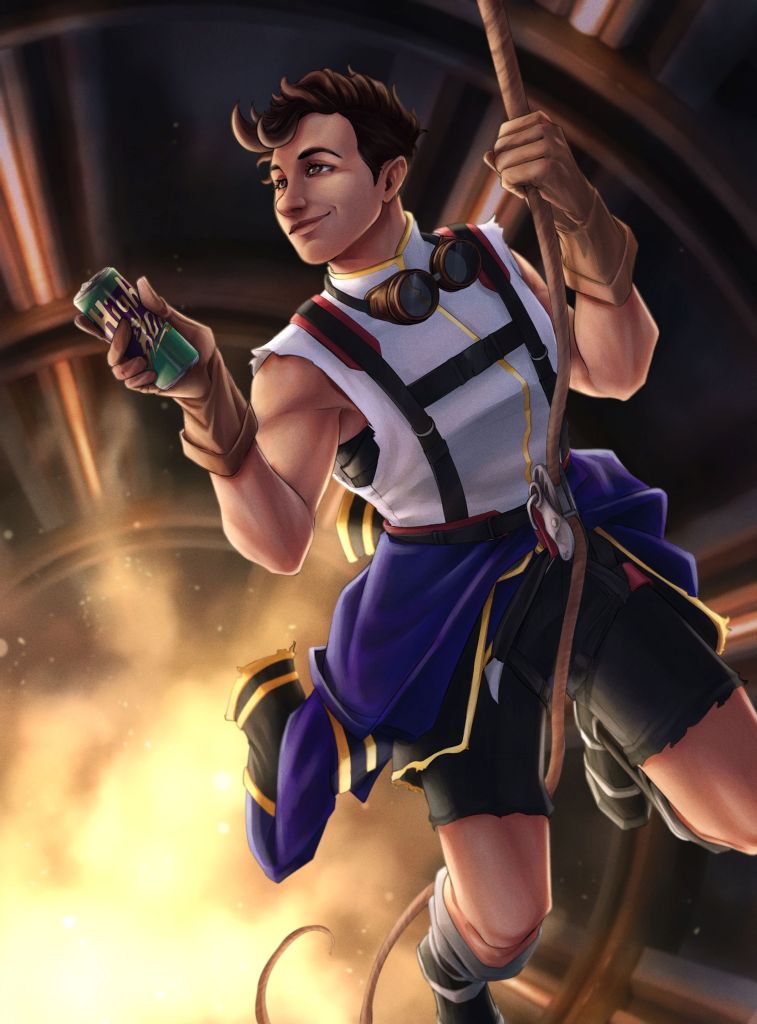

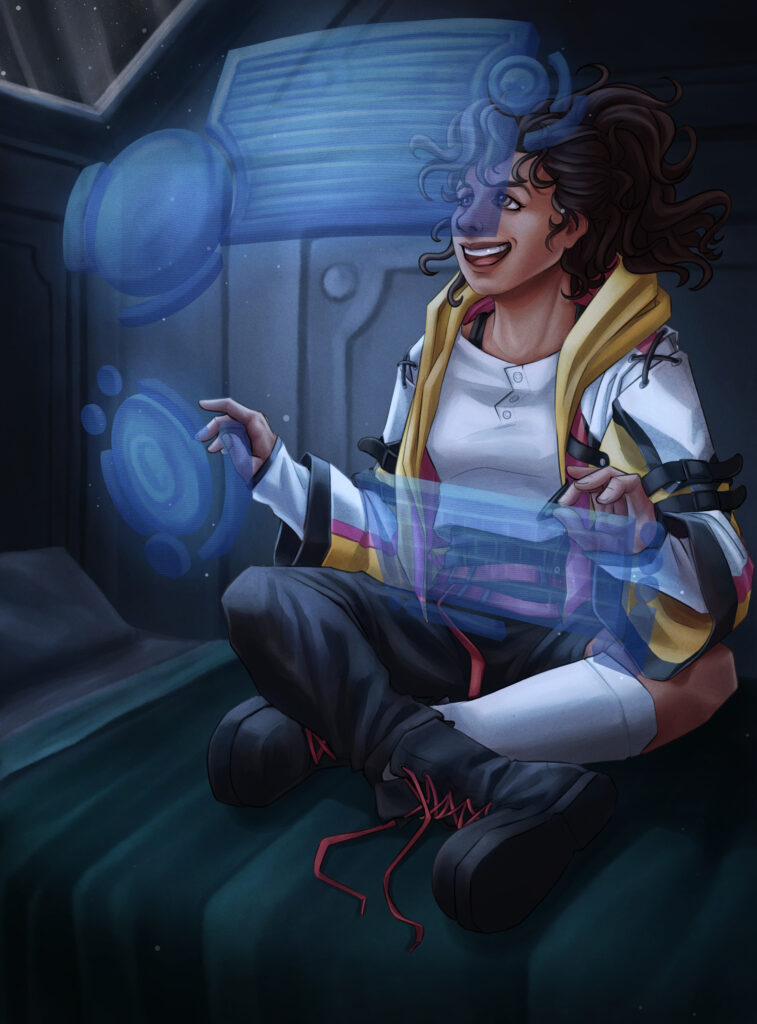
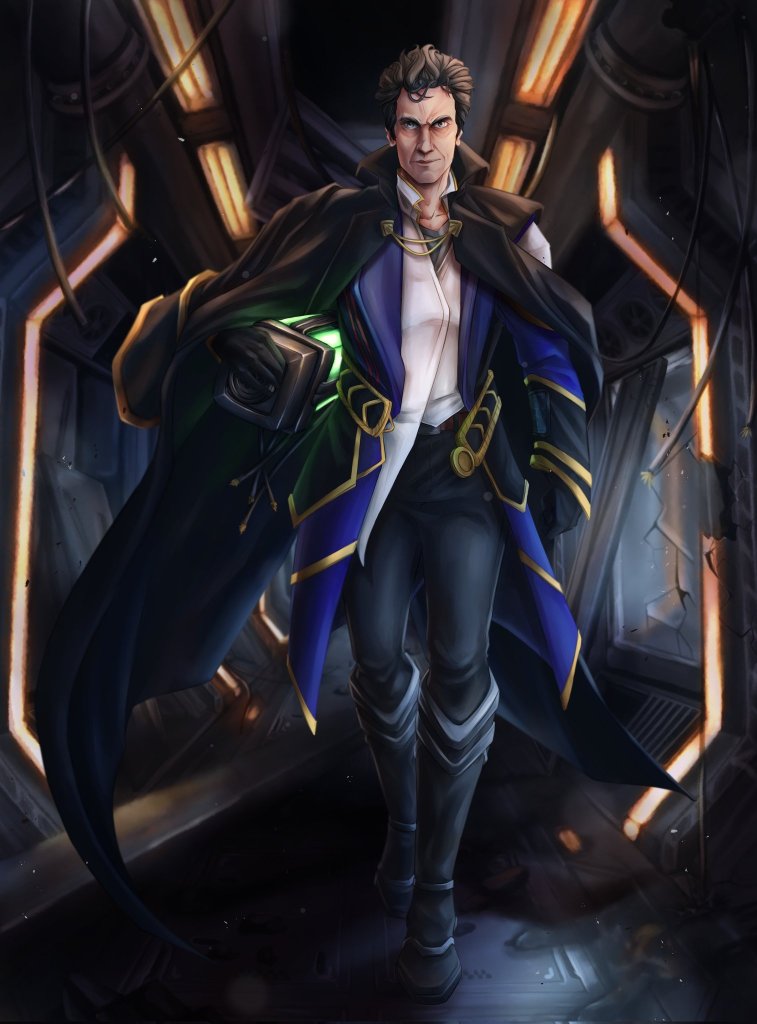




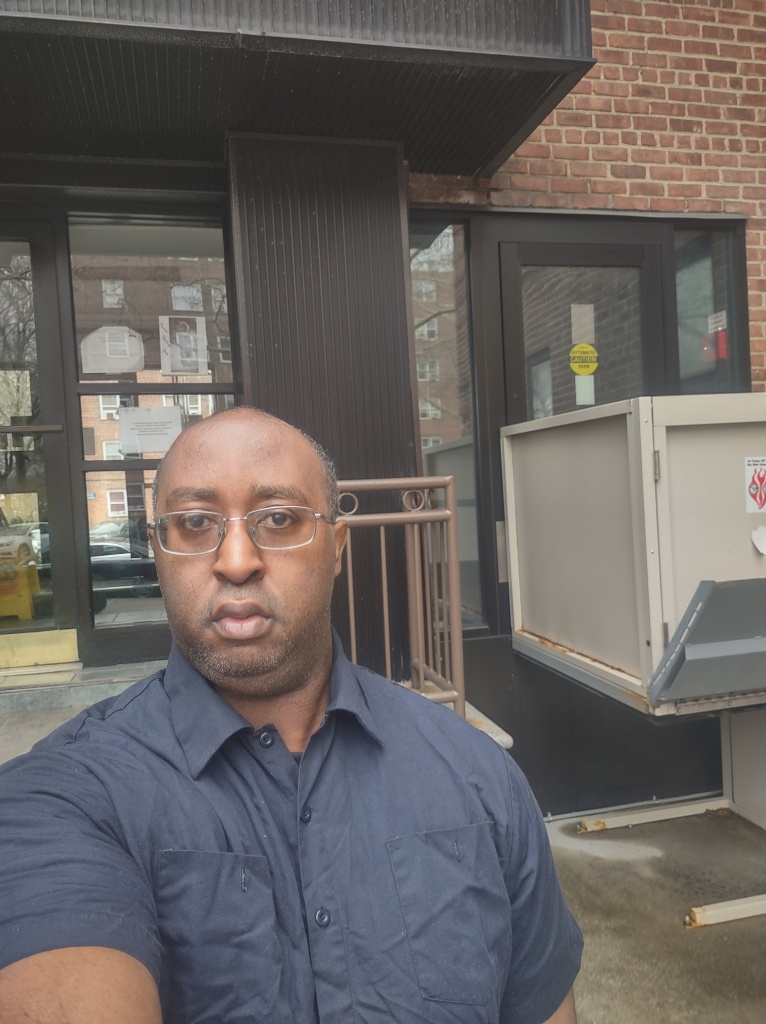
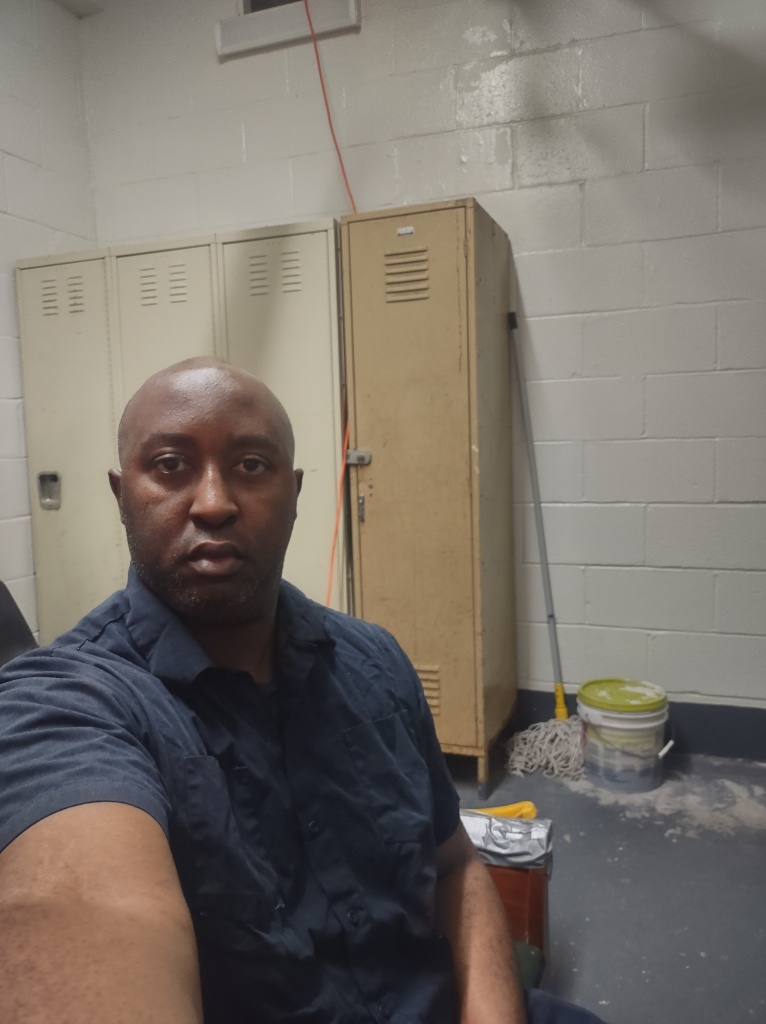

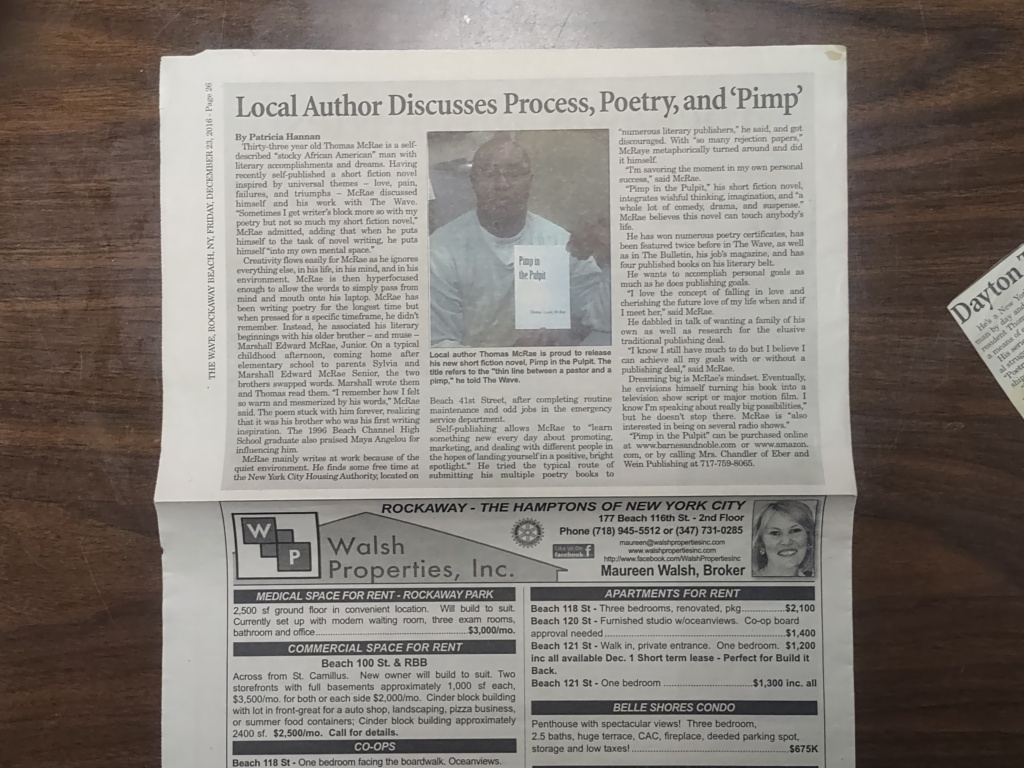
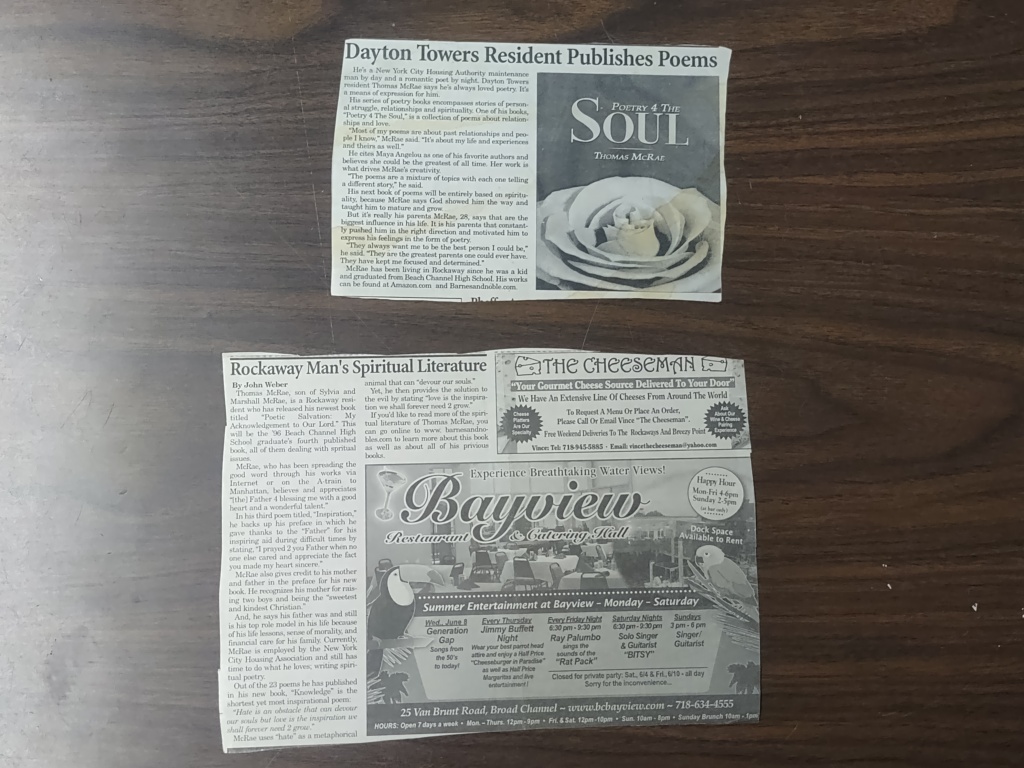


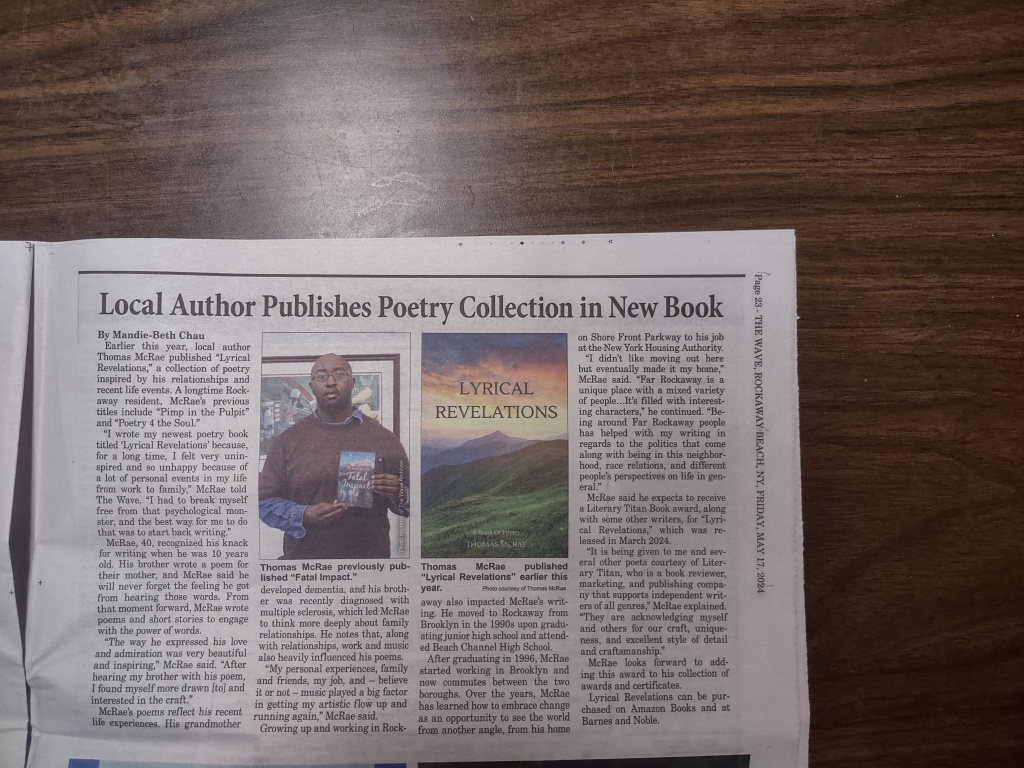
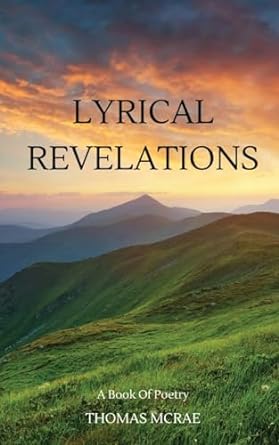






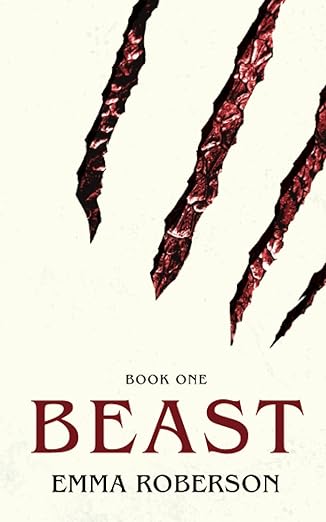


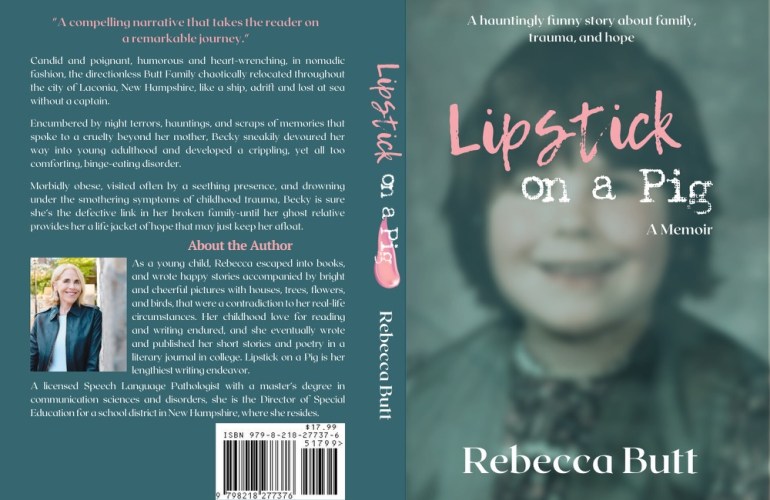

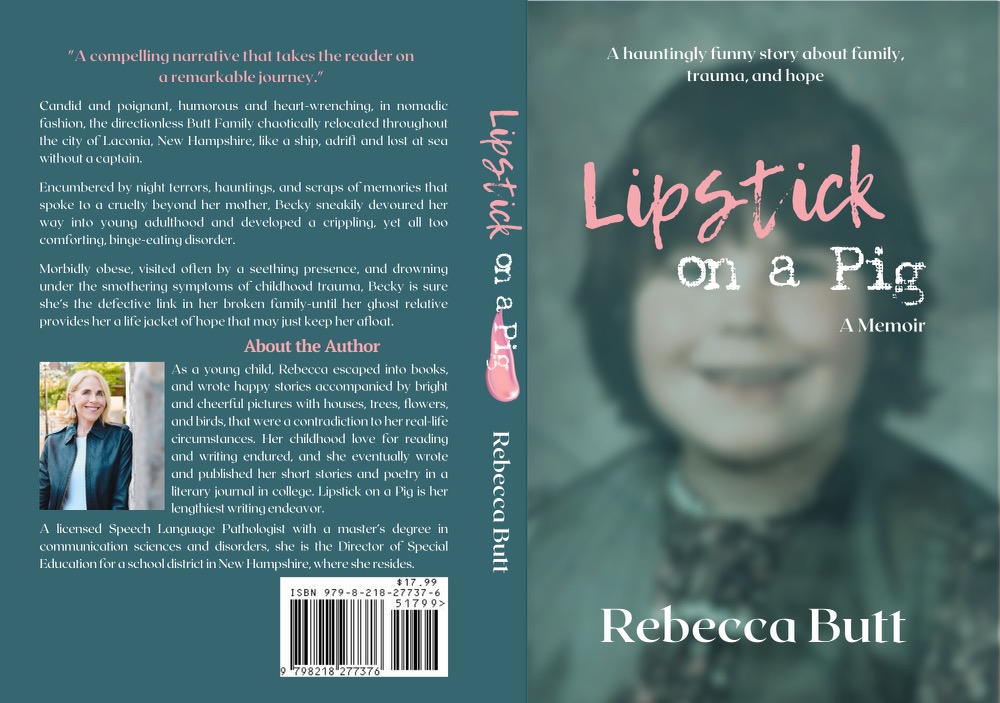

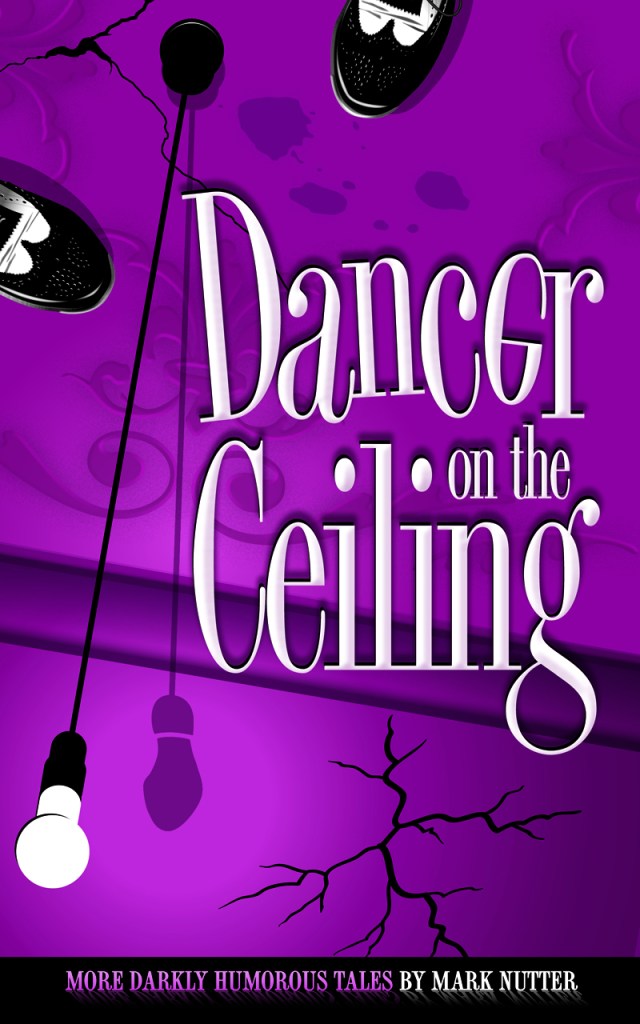


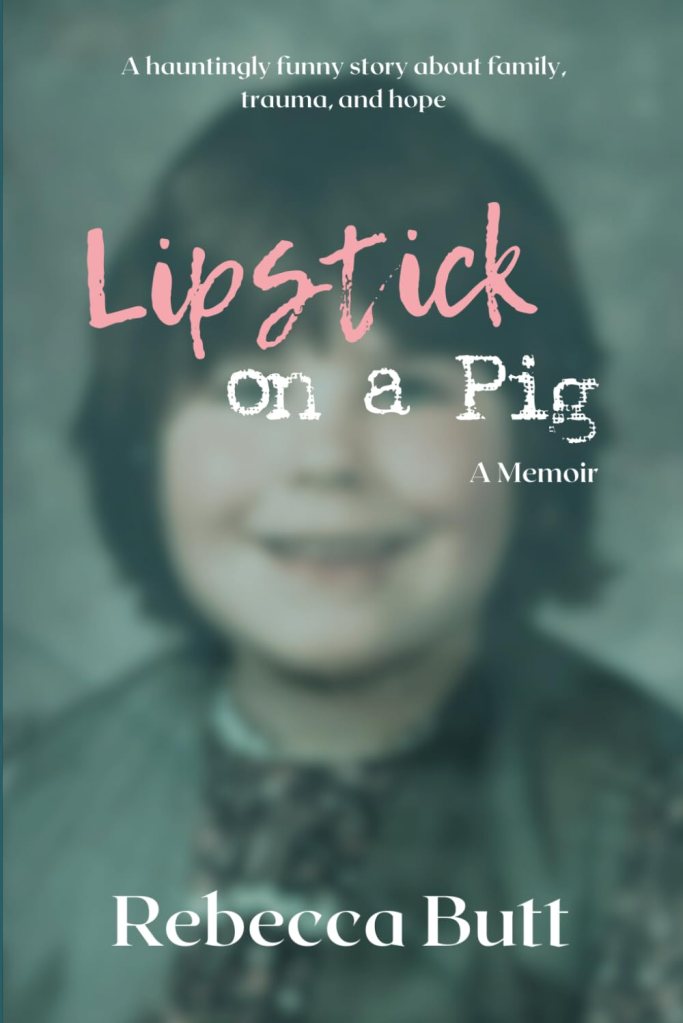


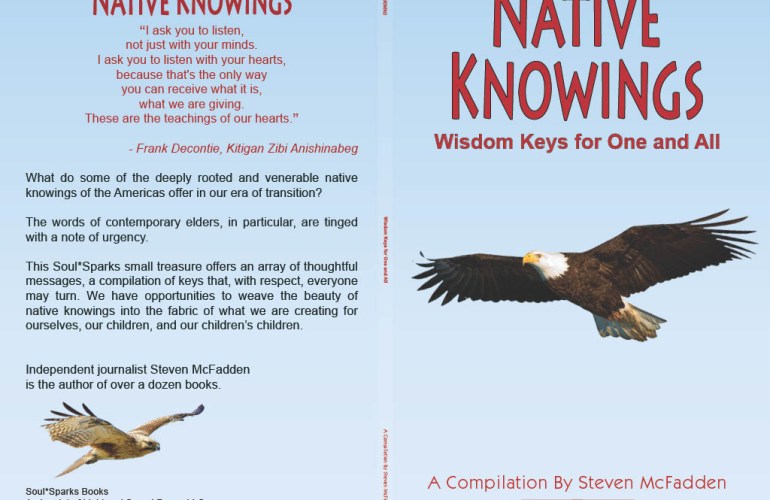


 The Reading Bud