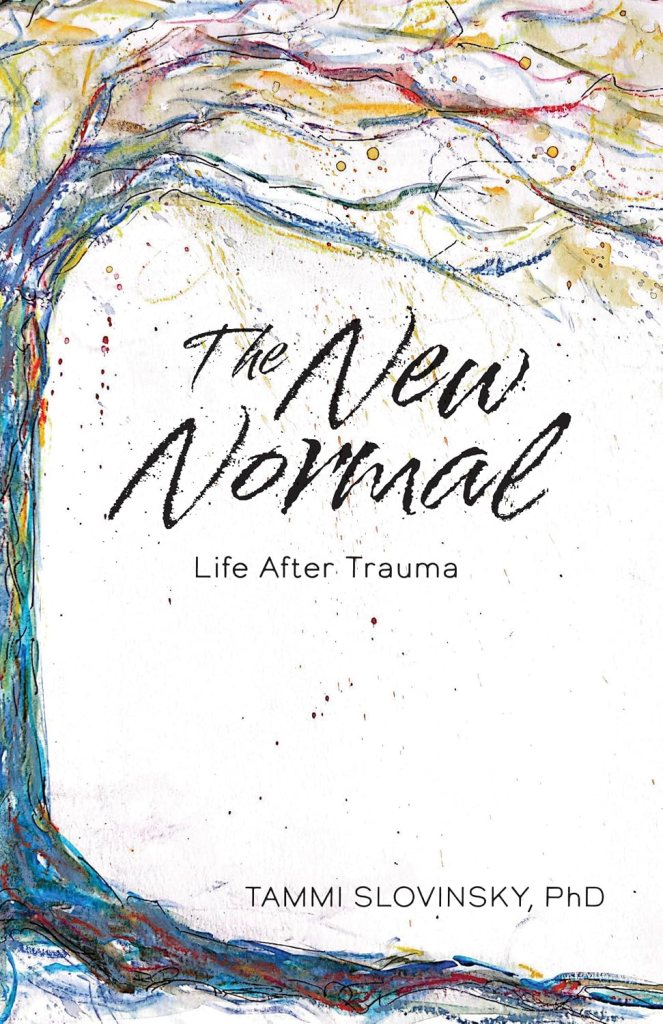
Book Details:
Author: Tammi Slovinsky, PhD
Release Date: May 12, 2026
Series: Book 1 of 10: Gem of the Golden Isles
Genre: Memoir, Nonfiction
Format: E-book
Pages: 162 pages
Publisher: Brandylane Publishers, Inc.
Blurb:
A survivor of sexual trauma and intimate partner violence, Dr. Tammi Slovinsky interweaves her own experiences as a victim advocate, educator, and gender-based violence researcher in this poignant memoir that examines social and cultural factors such as the powerful influence that family and peers may have on survivors both during and…
Read full book blurb
after a traumatic experience. She reviews the impacts trauma can have on intimacy and commitment, substance use and dependence, parenting and pregnancy, and more. She hopes to help others understand the various ways trauma impacts us, and to find pathways to resilience, growth, and hope.
“Delightful summer read!”
– Iona Whishaw, best-selling author of the Lane Winslow mystery series.
Review
The New Normal: Life After Trauma by Tammi Slovinsky, PhD, is a trauma-informed memoir and work of social analysis that examines how sexual violence continues to shape a survivor’s identity, relationships and understanding of the world long after the original events have passed. Drawing upon her experiences as both a survivor and a victim advocate, Slovinsky traces the effects of childhood neglect, sexual coercion, abusive relationships and cultural shame through adolescence, college, intimacy, parenting and professional life. Her purpose is not to offer a neat recovery narrative, but to challenge the very idea that there is only one “normal” response to trauma.
The book’s greatest strength is author Slovinsky’s exceptional honesty. She writes openly about seeking male approval, using alcohol to numb herself, struggling with commitment and sometimes hurting people who genuinely loved her. Particularly courageous are the chapters addressing sexual fantasies after assault and the complications of pregnancy, childbirth and parenting as a survivor, subjects that are frequently surrounded by silence and shame. Yet her vulnerability never feels voyeuristic. She consciously avoids unnecessary graphic detail and repeatedly reminds readers that coping mechanisms which appear contradictory or self-destructive may once have served as methods of survival, control and emotional protection.
Author Slovinsky is equally effective when she widens the lens beyond her own experiences. Personal memories are placed alongside research concerning rape culture, polyvictimisation, historical and racial trauma, intersectionality, alcohol-facilitated assault, vicarious trauma, Title IX and the failures of legal and institutional systems. She also acknowledges the limits of her perspective as a white, cisgender and heterosexual woman while giving serious attention to the heightened violence experienced by Black, Indigenous, immigrant, LGBTQ+ and disabled communities. Her account of working within survivor services is especially illuminating because it distinguishes between systems that merely process a case and responses that preserve a survivor’s voice, dignity and right to choose their own path towards safety or justice.
The combination of memoir and scholarship gives the book authority, although it occasionally makes the reading experience more demanding than it needs to be. Certain statistics, definitions and institutional critiques recur across chapters, while the number of citations sometimes interrupts the emotional momentum of author Slovinsky’s personal narrative. A more selective use of research, and some consolidation of overlapping discussions concerning alcohol, control, shame and systemic retraumatisation, would have allowed the most intimate passages to resonate even more powerfully. The transitions between personal recollection, academic evidence and contemporary political commentary could also have been smoother in places, particularly for readers approaching the subject without a professional background in trauma studies.
Nevertheless, The New Normal: Life After Trauma is a brave, compassionate and intellectually substantial book. Its message is hopeful without becoming sentimental: healing does not require forgetting, forgiveness does not erase accountability, and post-traumatic growth does not mean the original suffering was somehow necessary. Author Slovinsky’s most meaningful achievement is her refusal to describe survivors as permanently damaged. Instead, she presents recovery as the gradual reclamation of agency, connection, creativity and self-acceptance, a changing “new normal” in which trauma remains part of a person’s story without being permitted to become the whole of it. This is an important read for survivors, their loved ones, advocates, educators and anyone responsible for responding to people who have experienced harm.


 The Reading Bud
I love reading your comments, so please go ahead…